contemporary cuneiform Series
snow storm
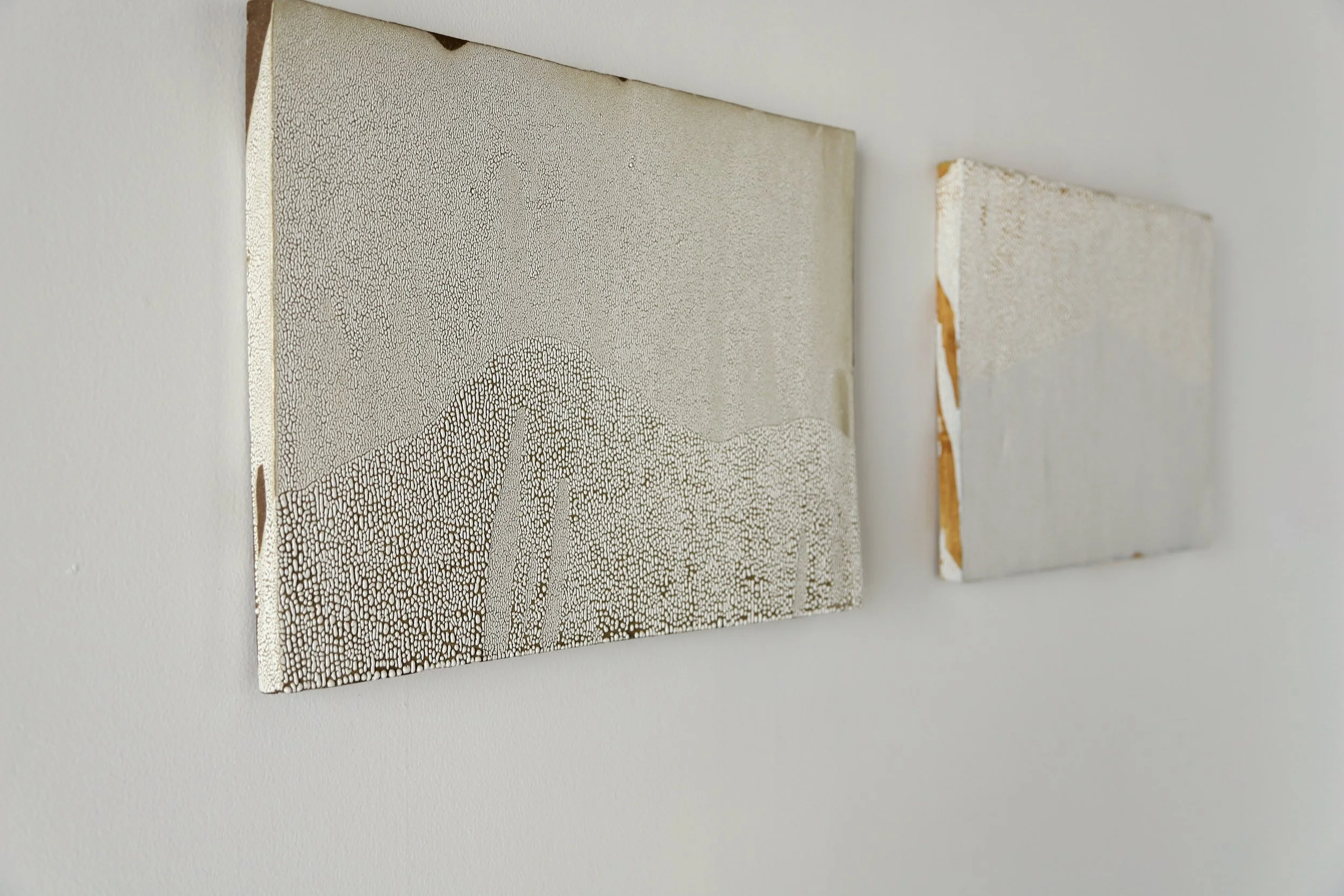
Inspired by ancient clay cuneiforms as a tool for communication, this series explores architectural clay slabs as a format for record keeping and documentation.
-
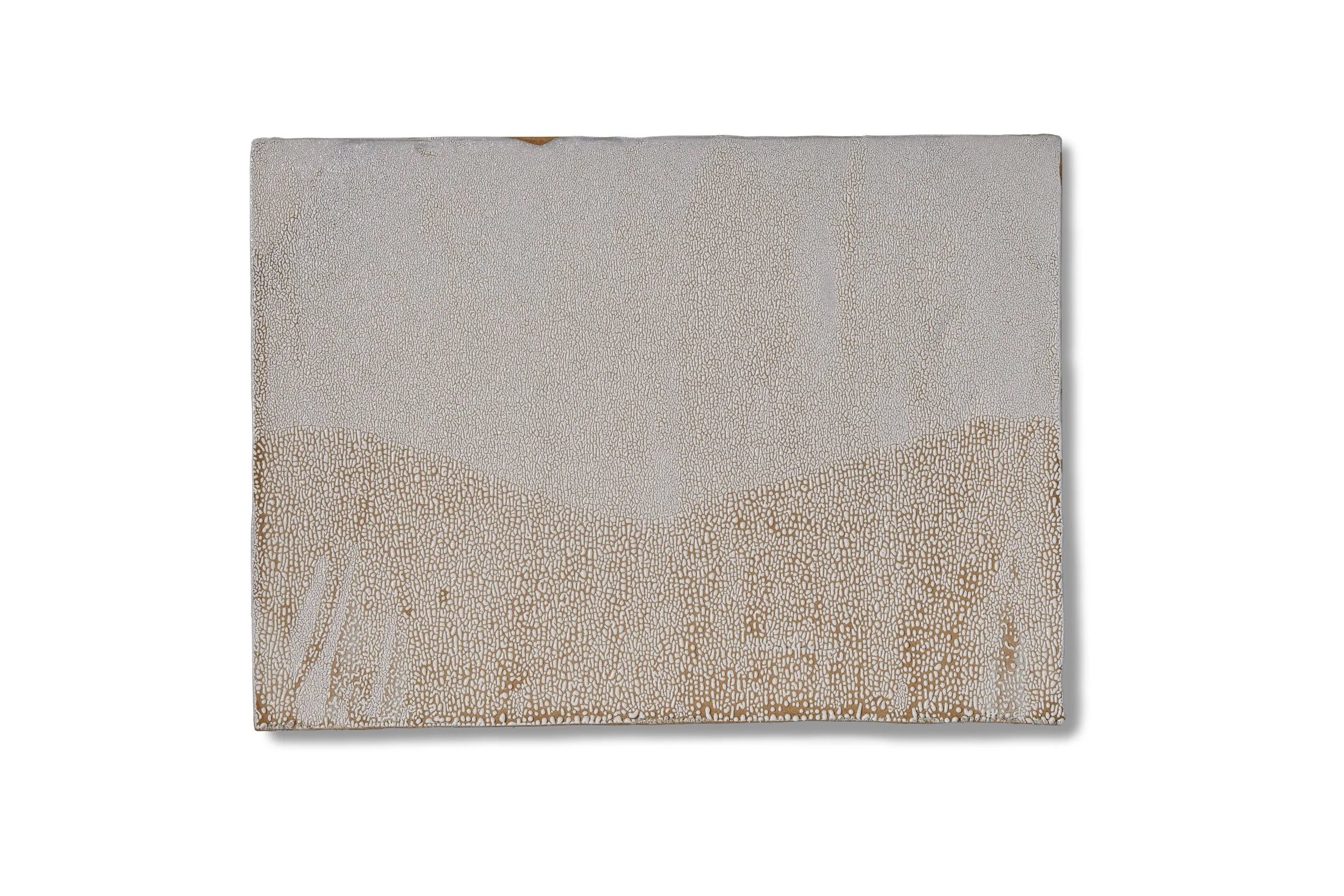
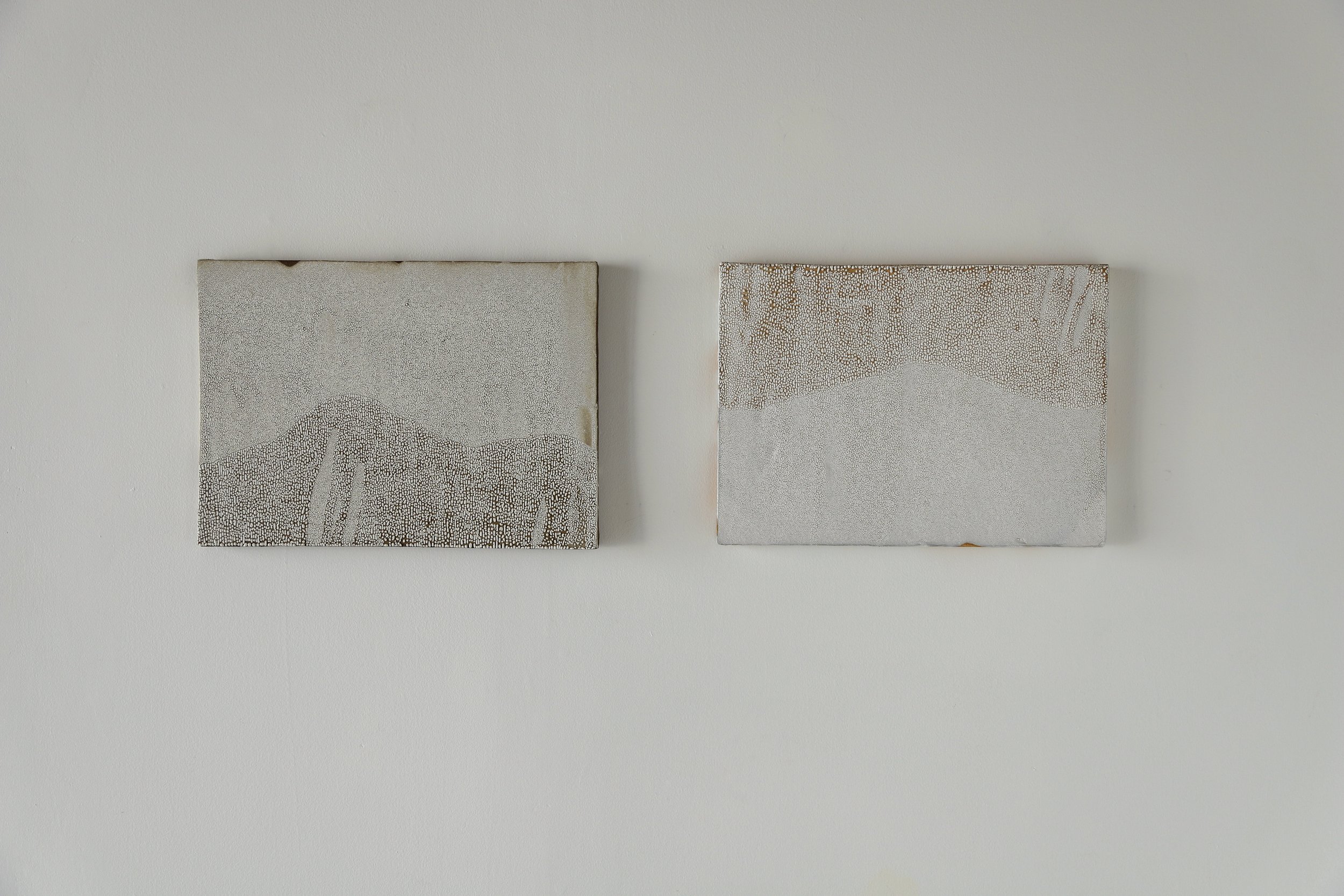
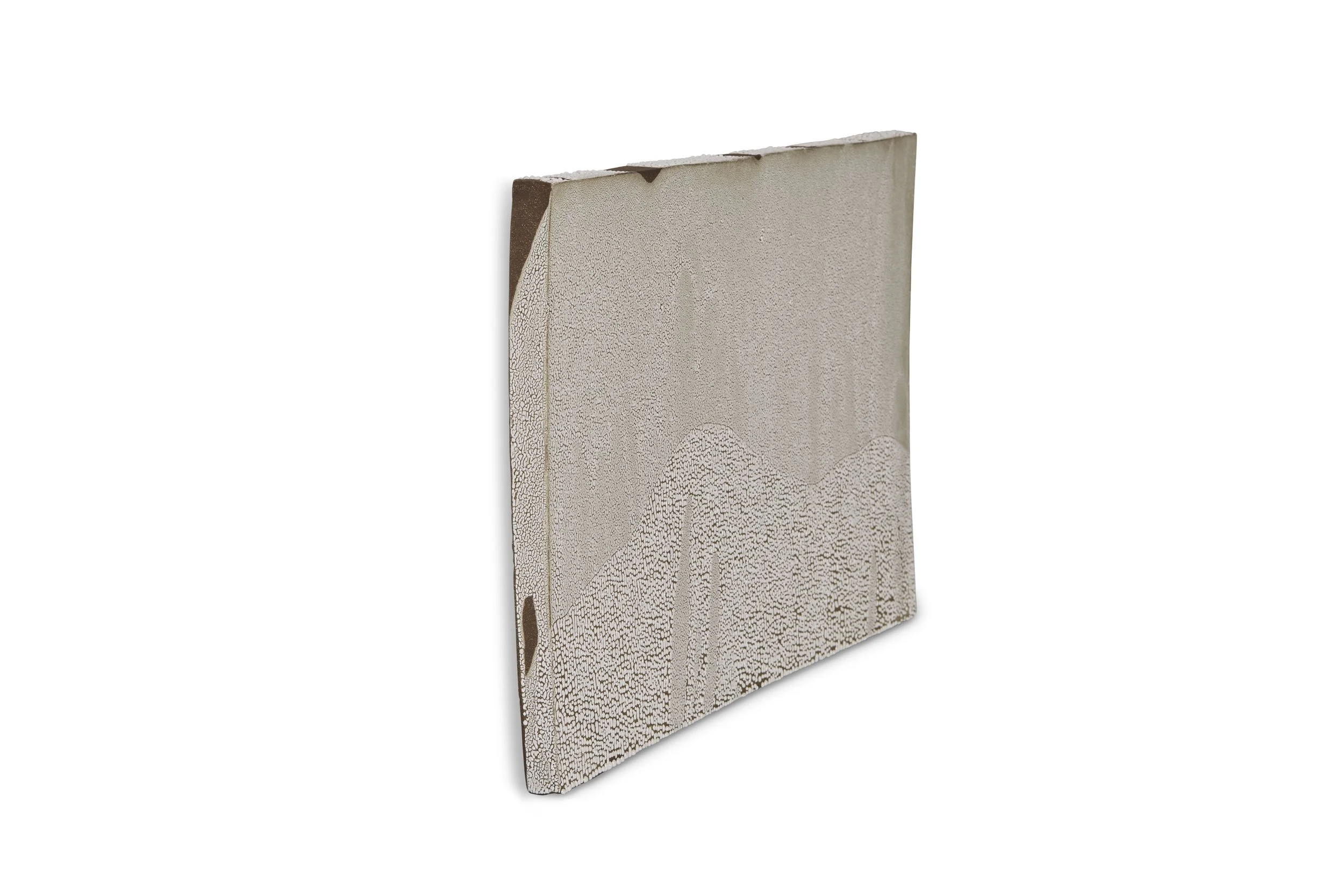
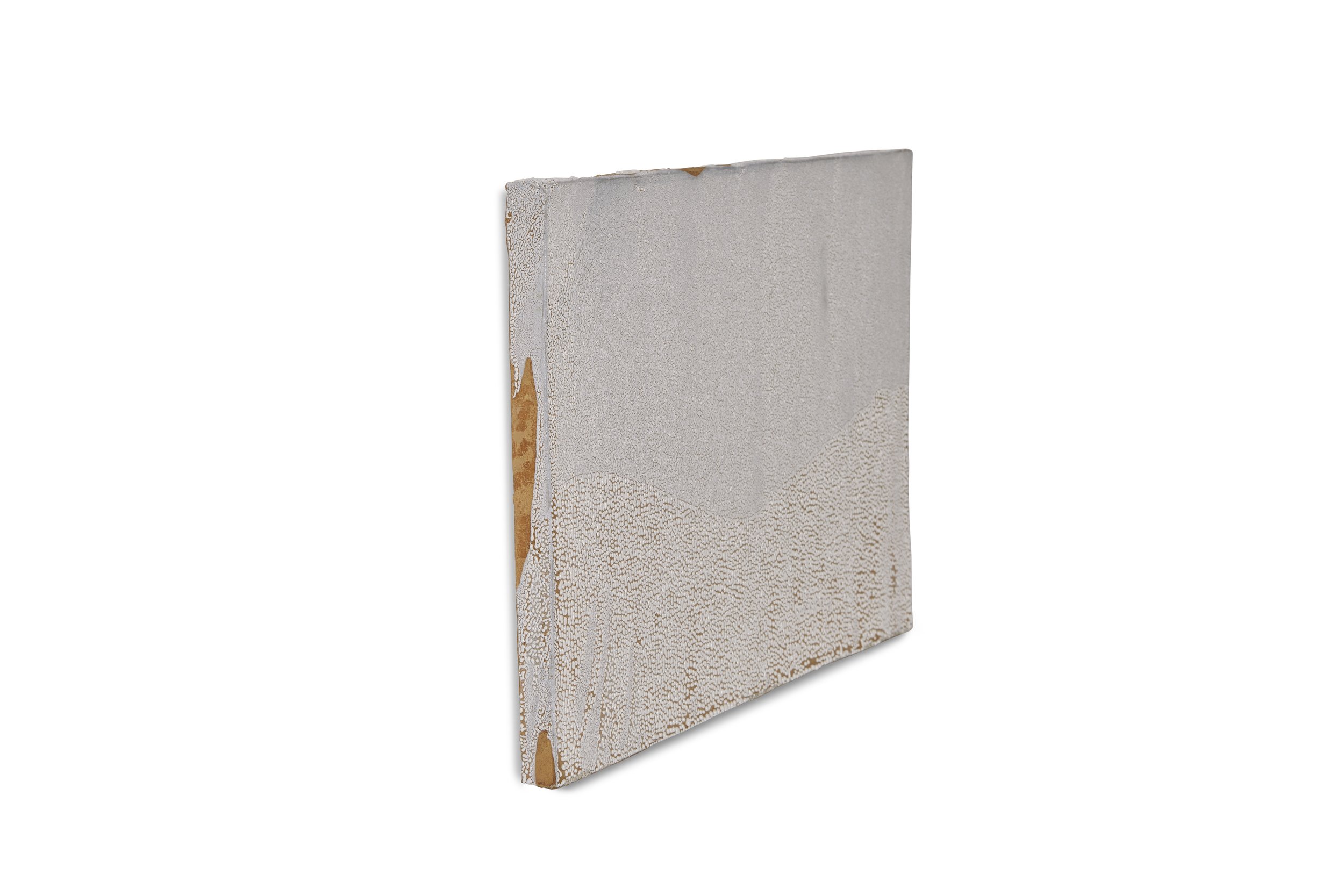
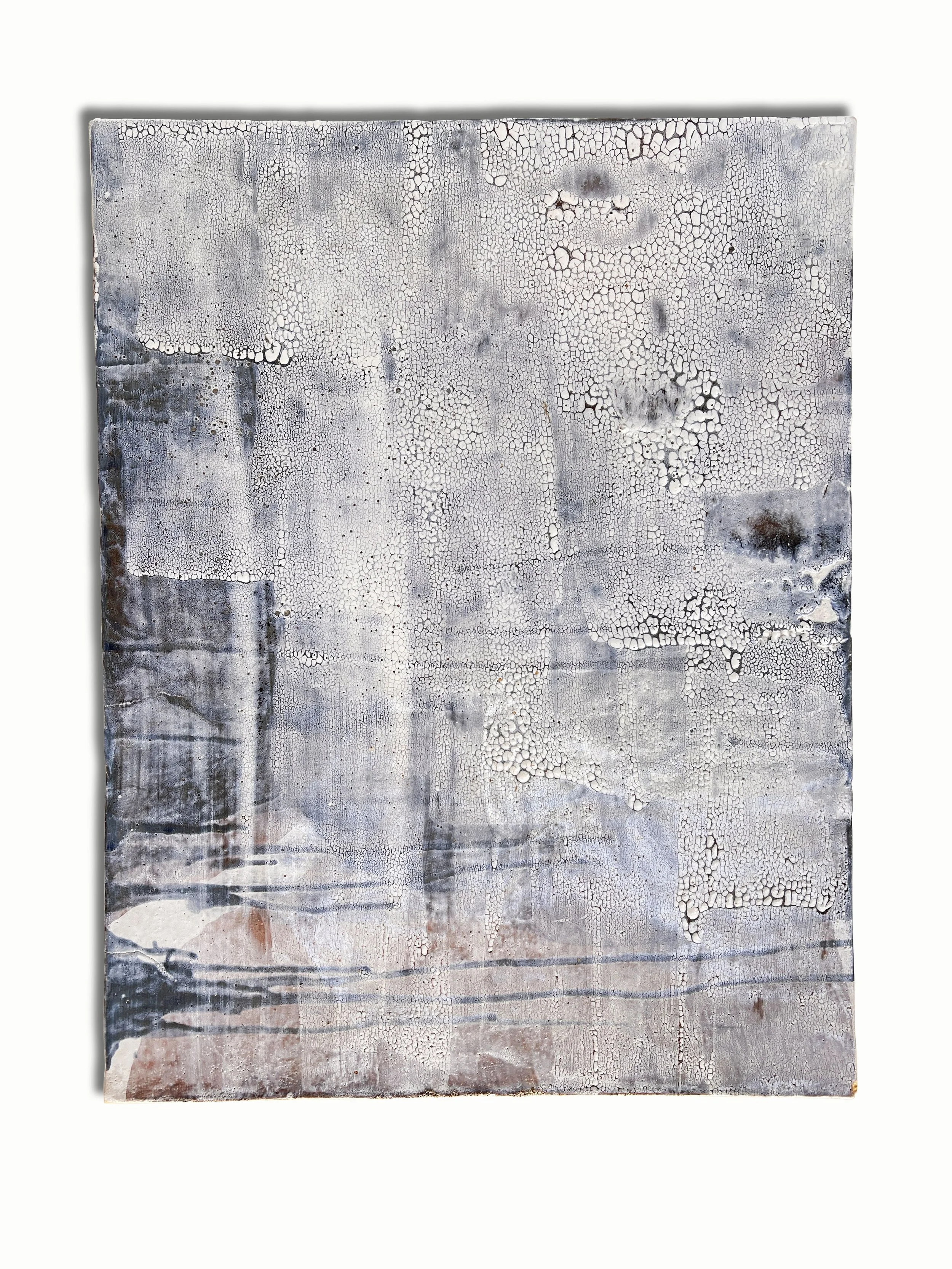
Drawing inspiration from ancient clay cuneiform tablets as primary instruments of human communication, Snow Storm reimagines architectural clay slabs as a modern medium for record-keeping and environmental documentation.
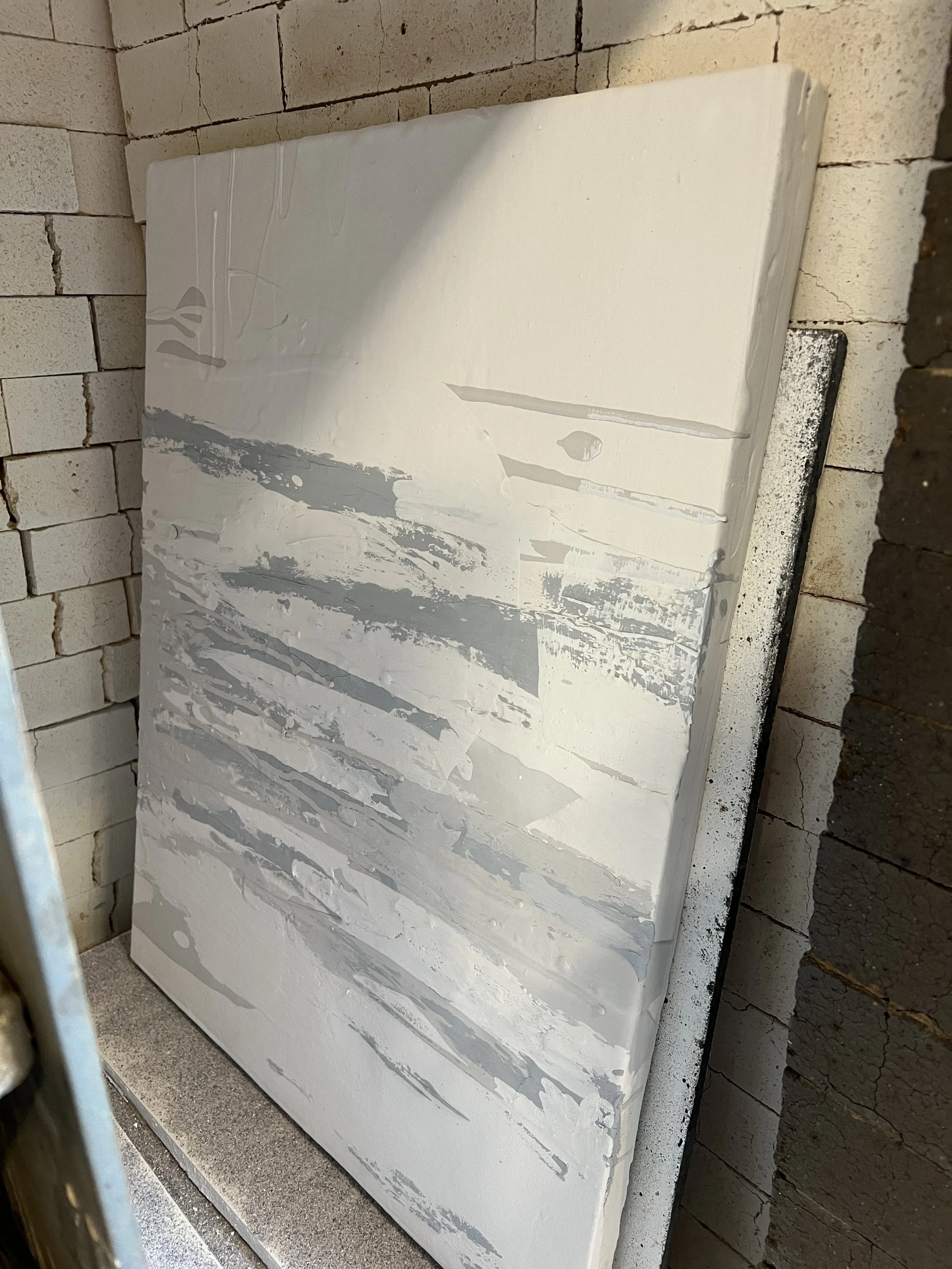
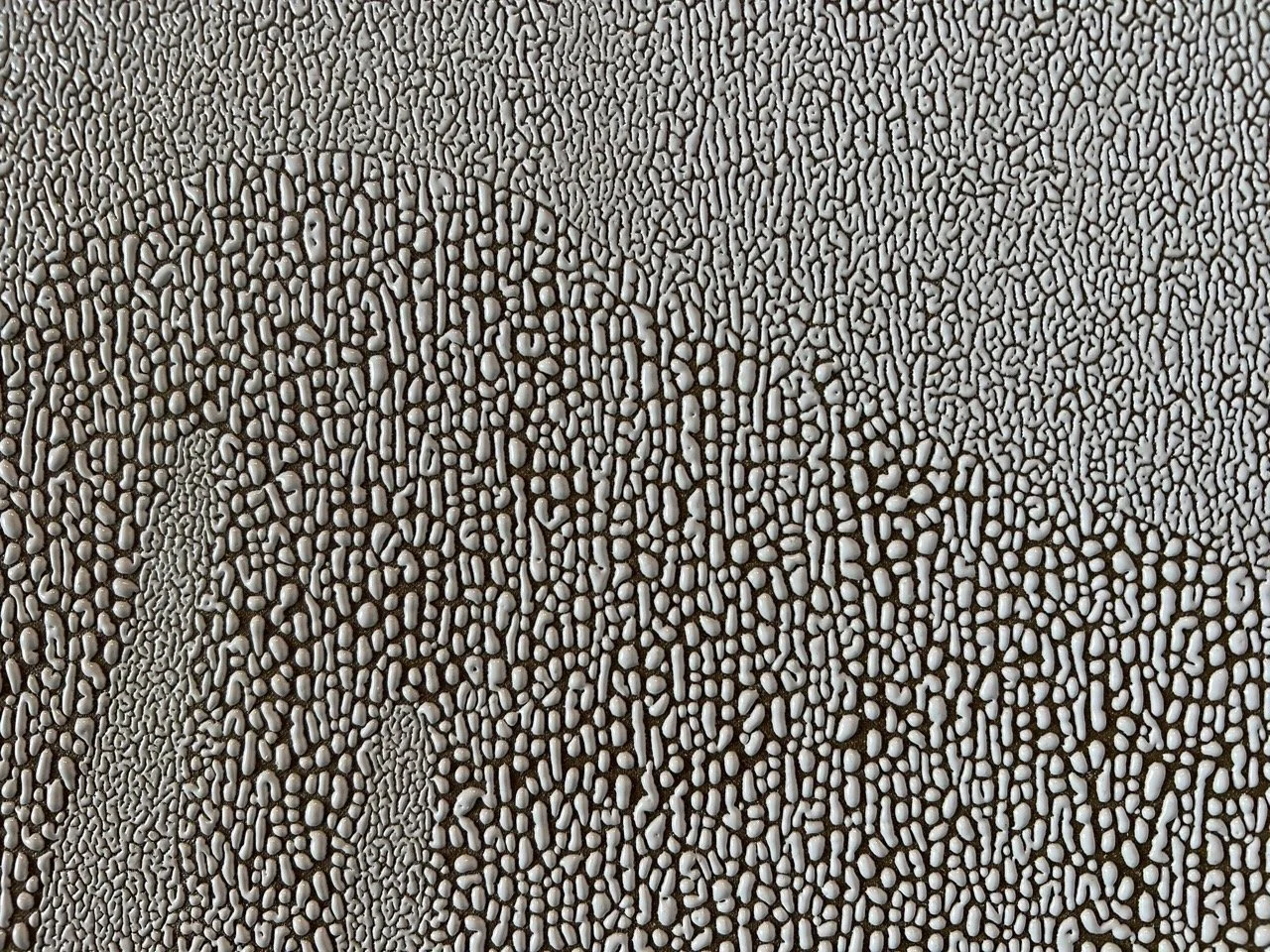
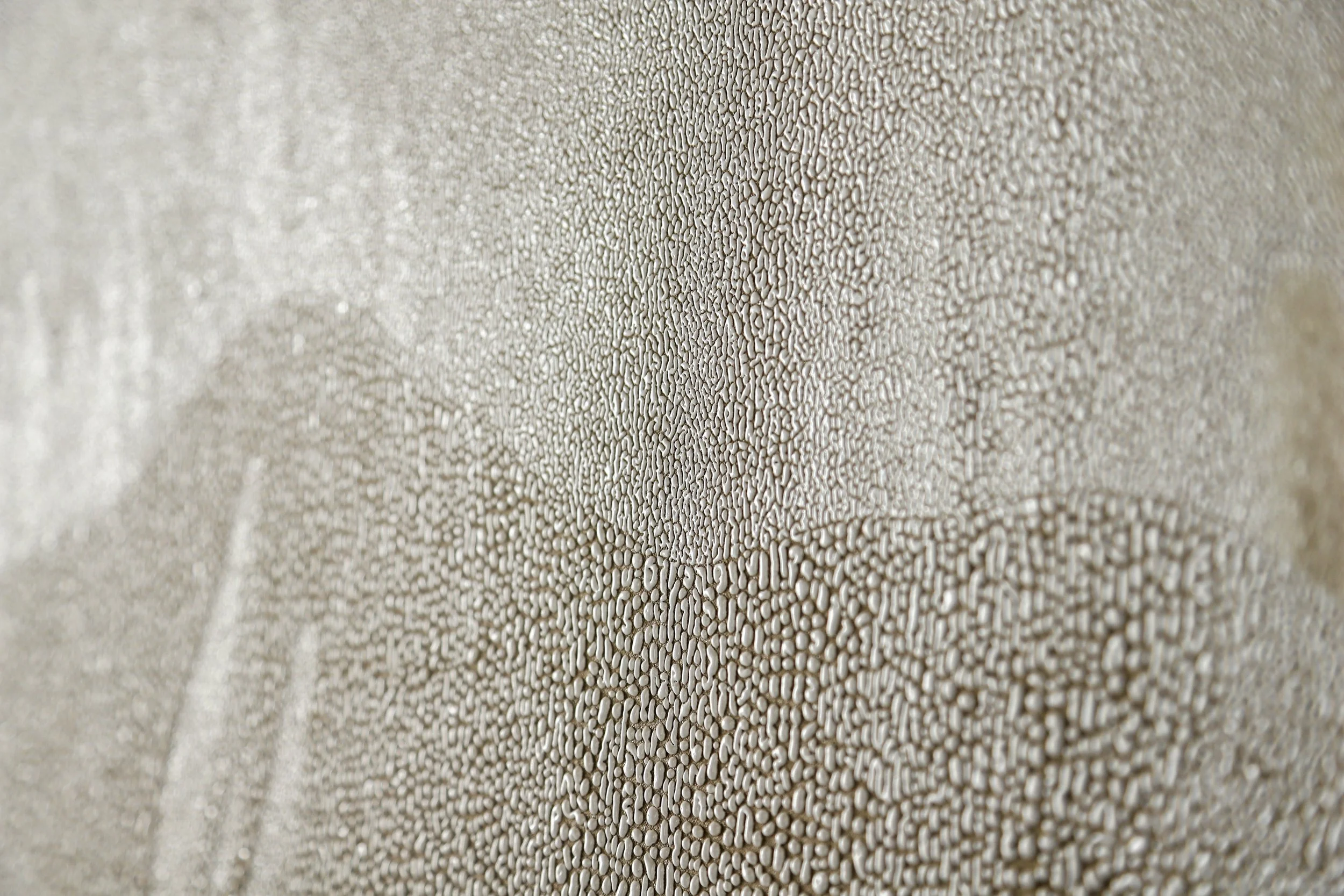
This wall piece translates the fleeting, sensory phenomena of a blizzard into a permanent, tactile artifact. Through glaze patterning and relief, the artwork captures the subtle power of white-on-white meteorological effects evoking the disorienting beauty, soft silence, and dense atmosphere of a blinding snowstorm as experienced in the Sierra.
-
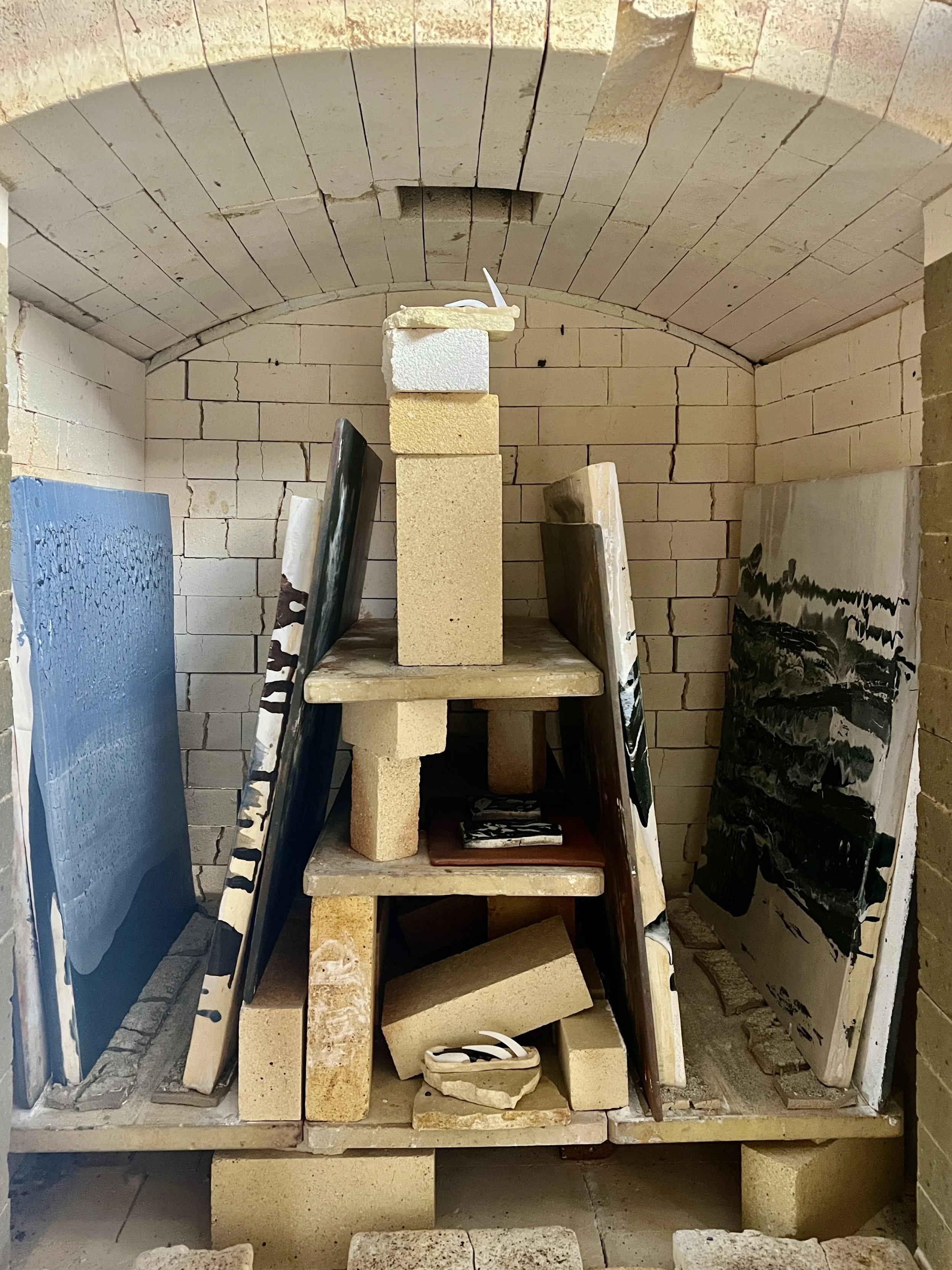
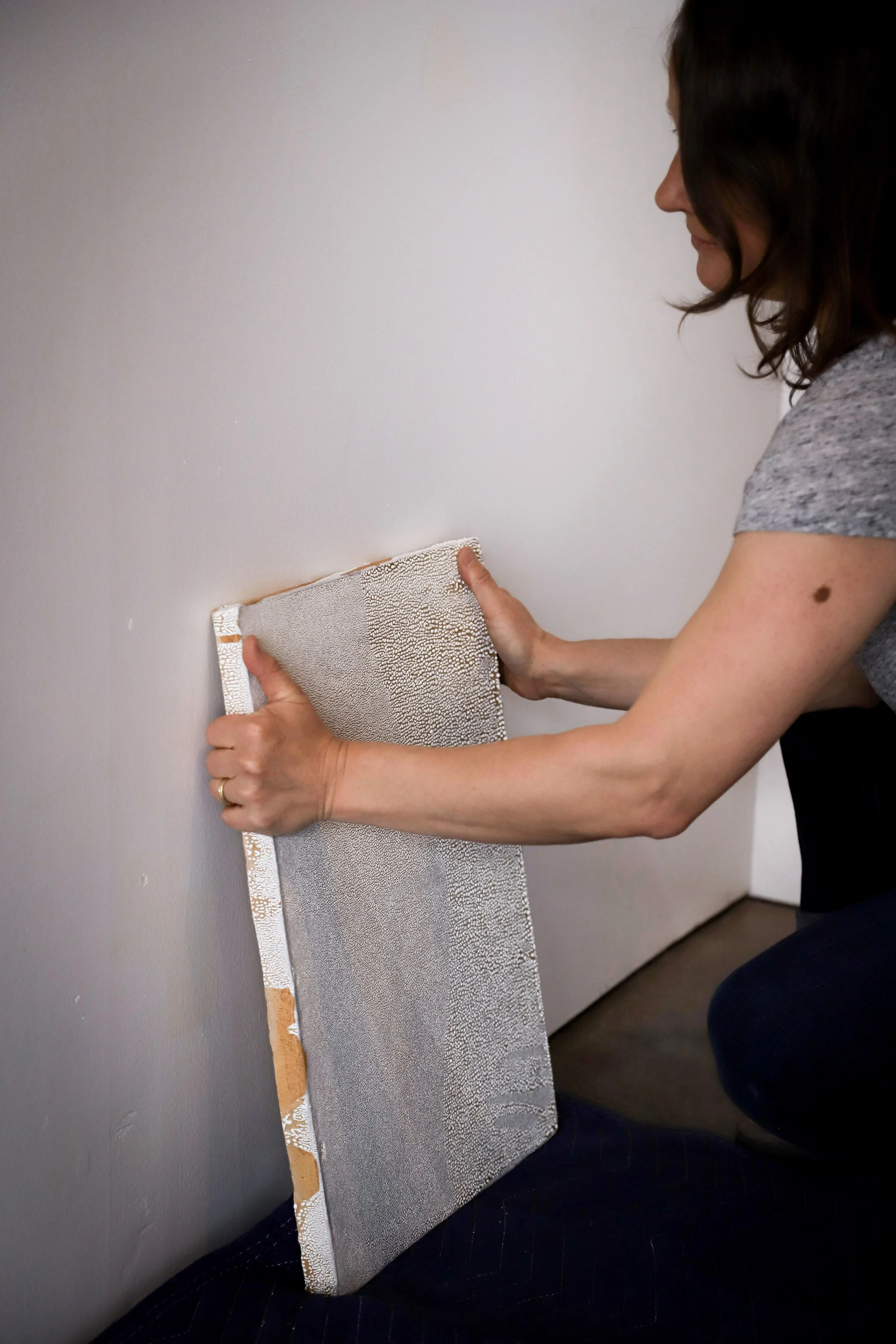
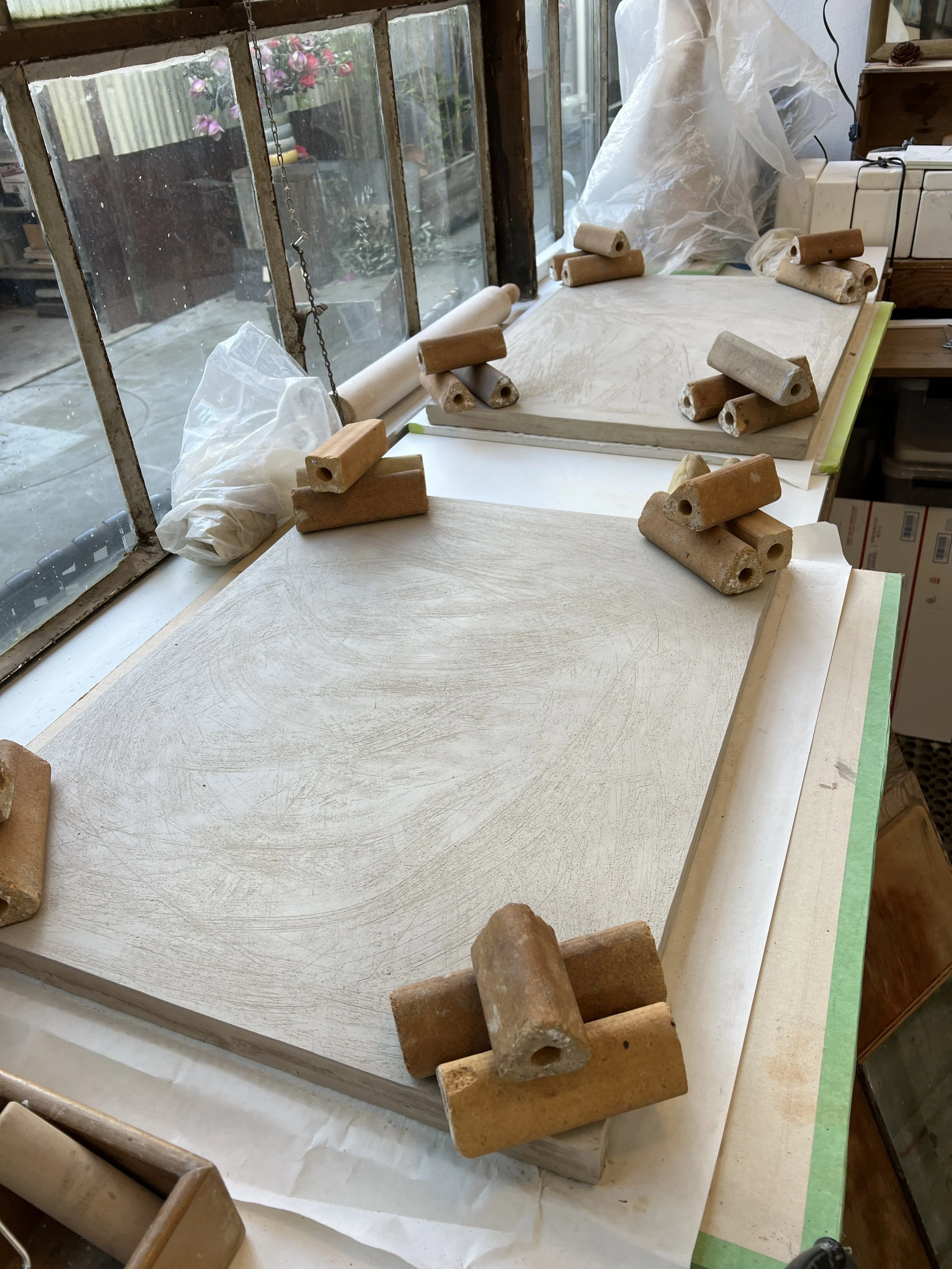
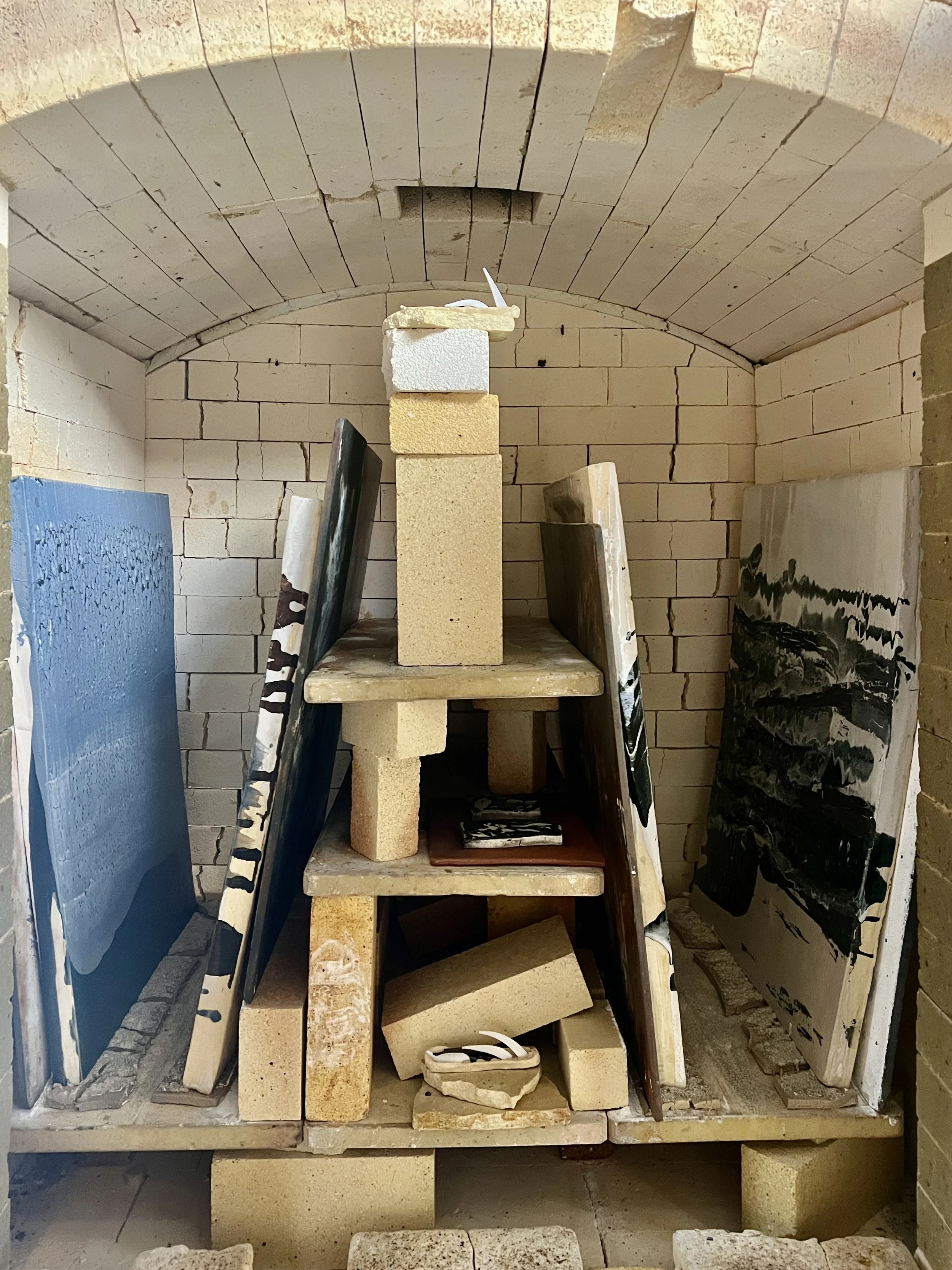
The panels vary in size and are made with 25-50 pounds of clay each, pounded into a wooden frame and fired two times in a gas kiln. The thick panels are fired vertically to avoid cracking, to a top temperature of cone 5/2200°F.
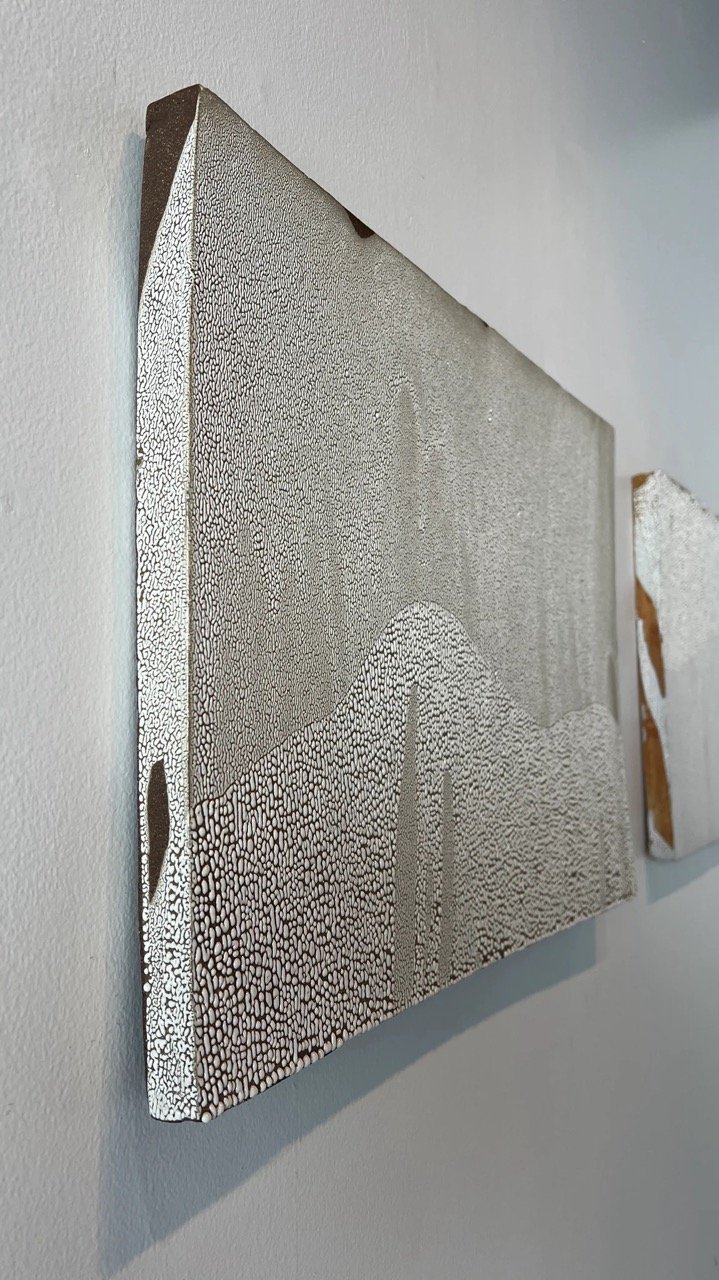
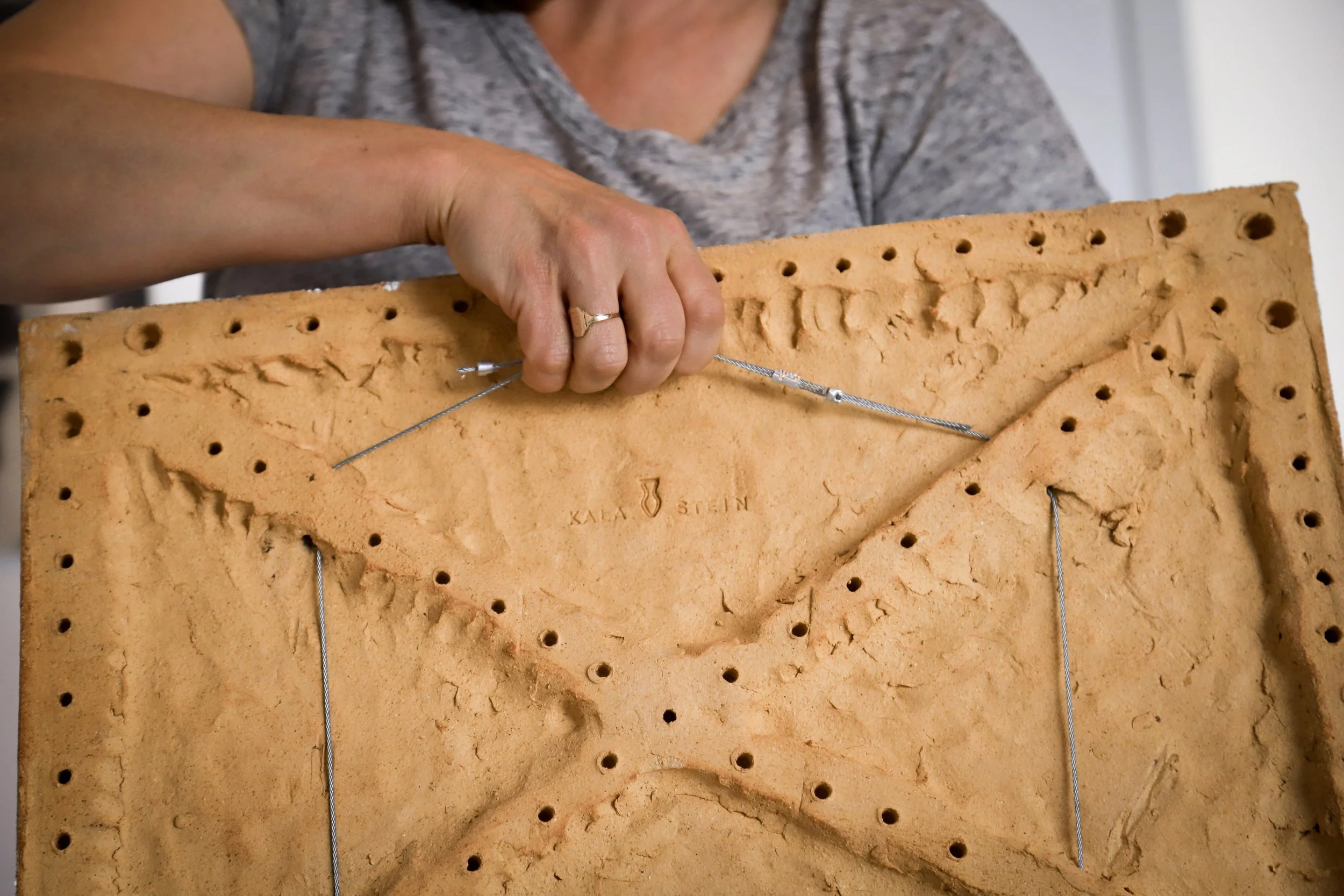
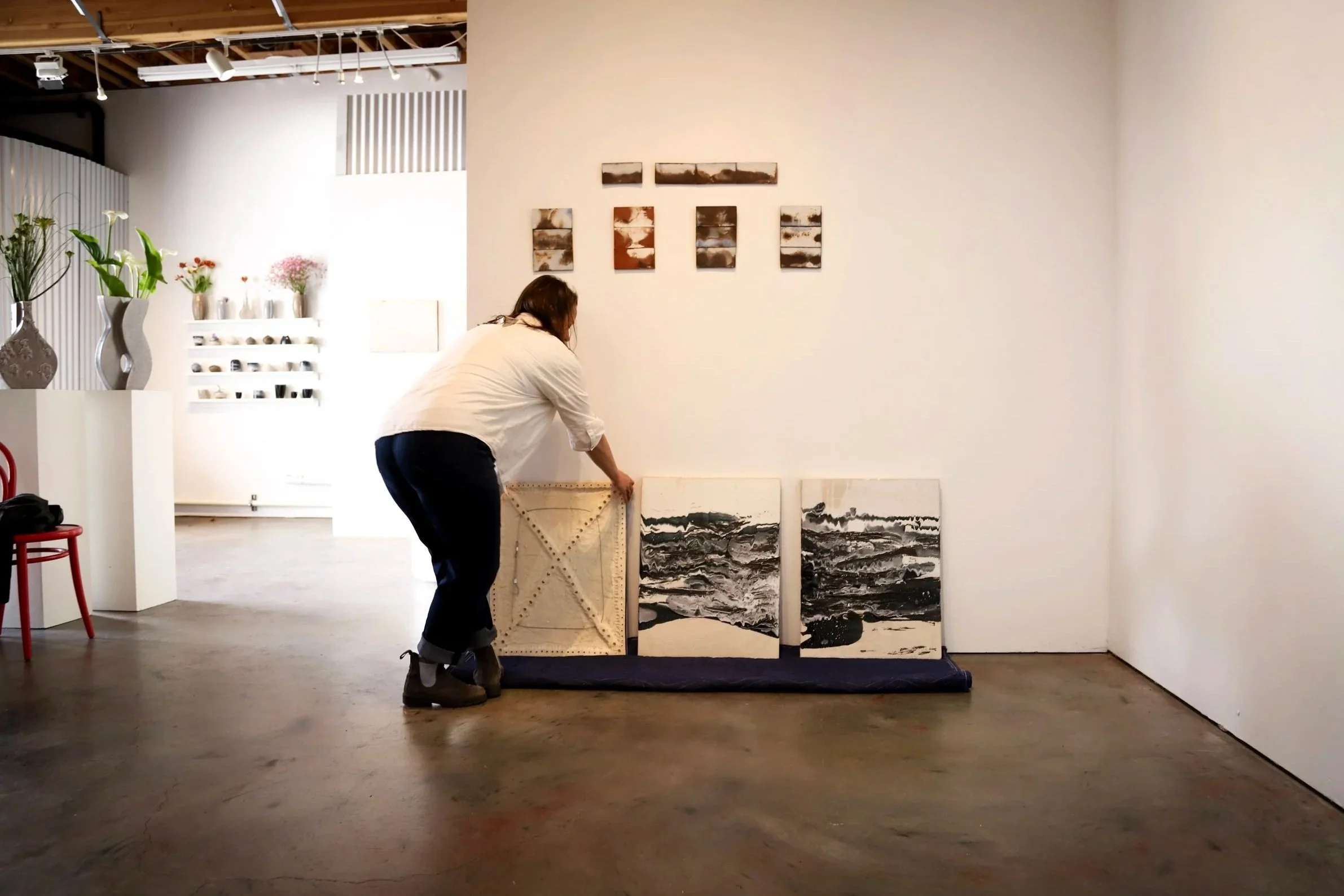
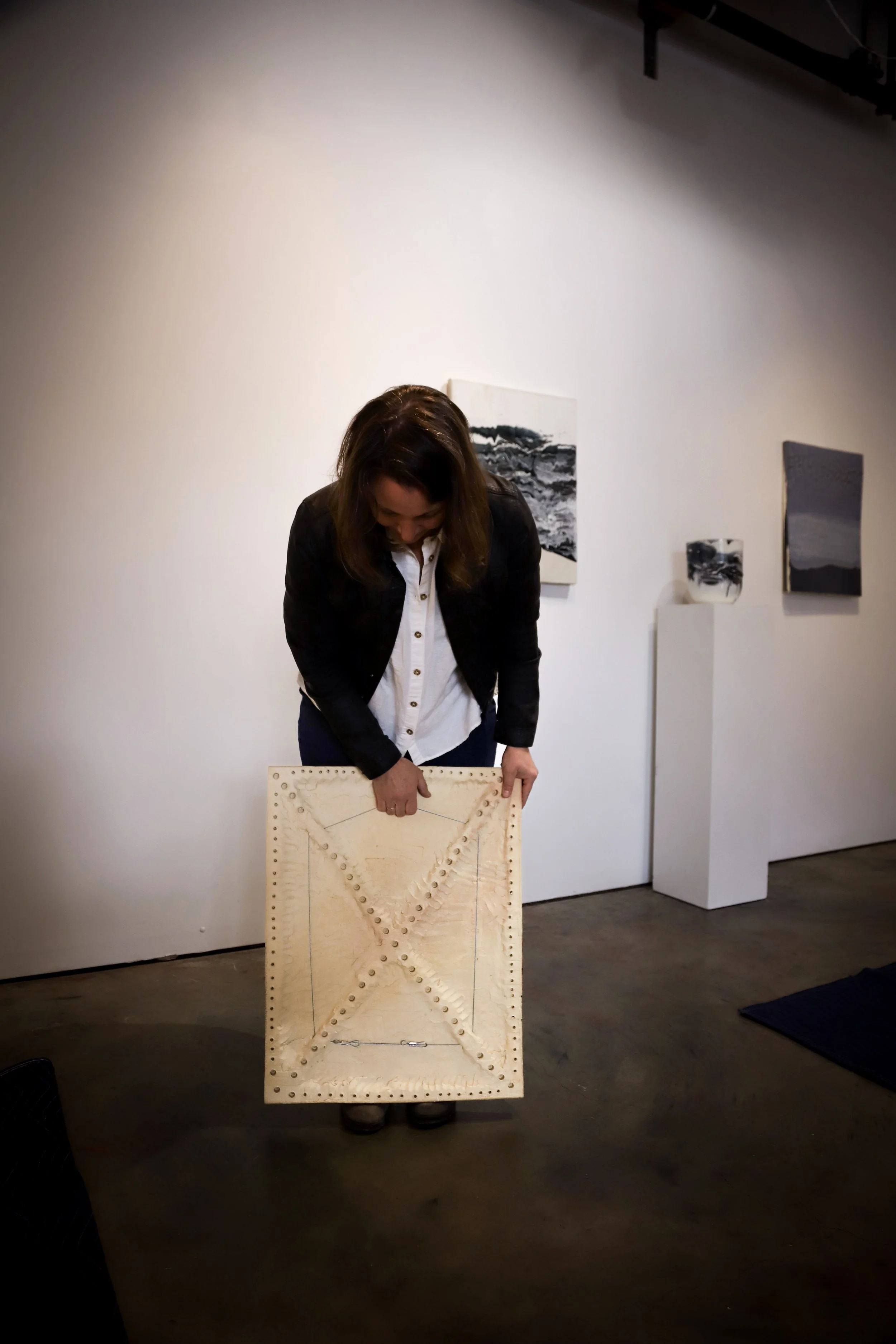
The panels we designed to look like stretched canvases, or architectural stone elements, where the image wraps around the sides. The cable system on the reverse allows the tablet to be rotated and hung on any of the 4 sides while integrating the hardware into the structure of the form.
-
Ferrous stoneware, special effect crawling glaze
Each 20” w x 14.5” h x 1” d
(50.8 cm x 36.8 cm x 2.5 cm)
2023
contemporary cuneiform series
liminal
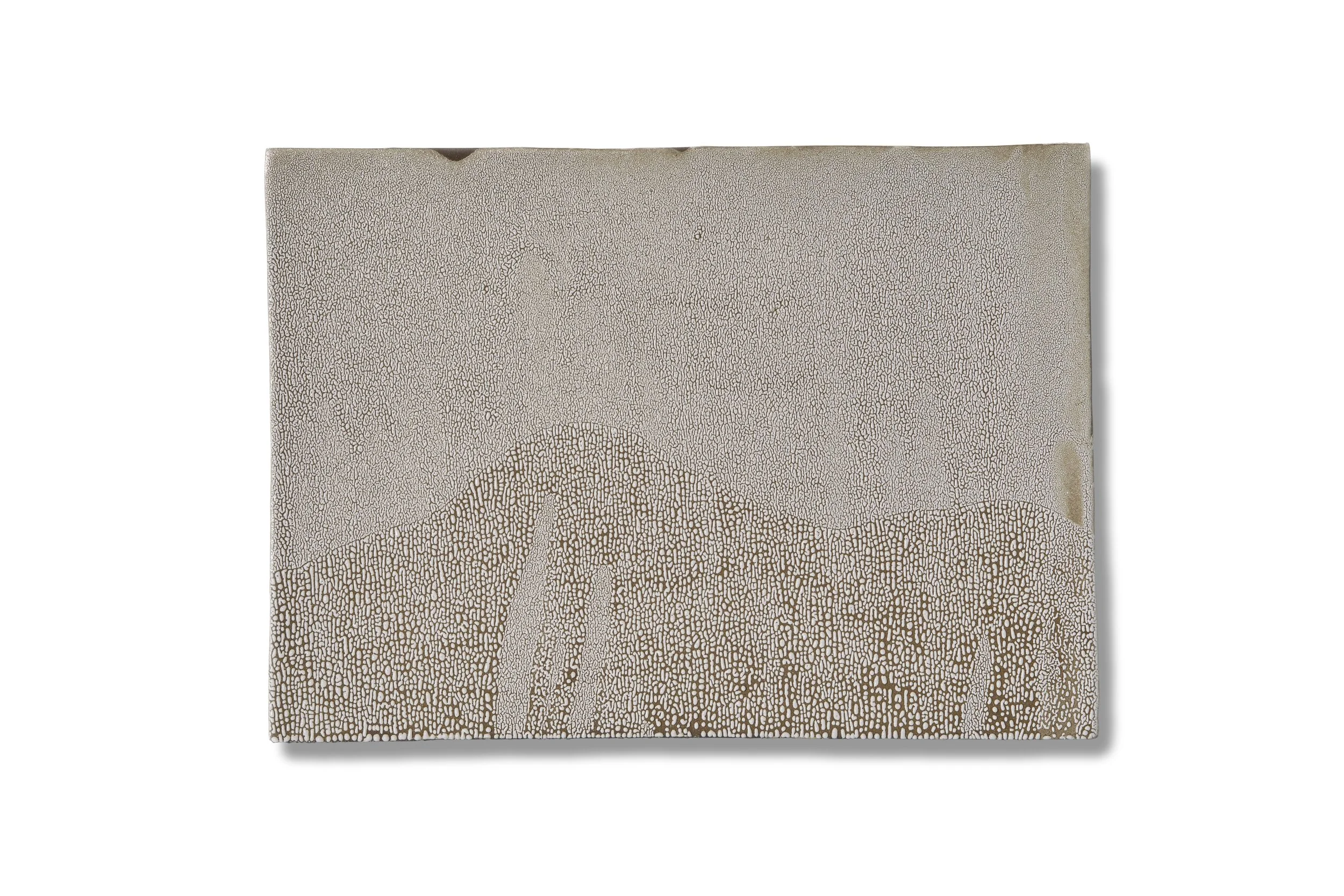
Inspired by ancient clay cuneiforms as a tool for communication, this series explores architectural clay slabs as a format for record keeping and documentation.
-
The Botanical Urn Series explores and celebrates specific ecosystems, drawing from the specificity of place through direct impressions of plant life and layered ceramic surfaces. This work honors the symbolism of plants both in contemporary contexts and ancient cultures- translating their forms into tactile compositions that reflect resilience, interconnectedness, and the living language of the landscape.
The Botanical Urn Series expands to include native, invasive, and cultivated plant species, using each as both material and message. Pressed and embedded directly onto the exterior of handmade ceramic urns these plants create a layered record of ecological presence to reveal the tensions between what belongs, what disrupts, and what is human-introduced. In this context, the urn becomes a powerful symbolic form: historically tied to containment, memory, and mortality, it holds not only the idea of human life, but also the fragility and transience of entire ecosystems.
-
The panels vary is size and are made with 25-50 pounds of clay each, pounded into a wooden frame and fired two times in a gas kiln. The thick panels are fired vertically to avoid cracking, to a top temperature of cone 5/2200°F. Layers of recycled and house-made glazes, glazes, slip, and sand create textured, meteorological effects.
The panels we designed to look like stretched canvases, or architectural stone elements, where the image wraps around the sides. The cable system on the reverse allows the tablet to be rotated and hung on any of the 4 sides while integrating the hardware into the structure of the form.
-
Stoneware, special effect crawling glaze layered with recycled glaze
20.25” w x 26.25” h x 1.25” d
(51.4 cm x 66.7 cm x 3.2 cm)
2023
contemporary cuneiform Series
pacific
Inspired by ancient clay cuneiforms as a tool for communication, this series explores architectural clay slabs as a format for record keeping and documentation.
-
The Botanical Urn Series explores and celebrates specific ecosystems, drawing from the specificity of place through direct impressions of plant life and layered ceramic surfaces. This work honors the symbolism of plants both in contemporary contexts and ancient cultures- translating their forms into tactile compositions that reflect resilience, interconnectedness, and the living language of the landscape.
The Botanical Urn Series expands to include native, invasive, and cultivated plant species, using each as both material and message. Pressed and embedded directly onto the exterior of handmade ceramic urns these plants create a layered record of ecological presence to reveal the tensions between what belongs, what disrupts, and what is human-introduced. In this context, the urn becomes a powerful symbolic form: historically tied to containment, memory, and mortality, it holds not only the idea of human life, but also the fragility and transience of entire ecosystems.
-
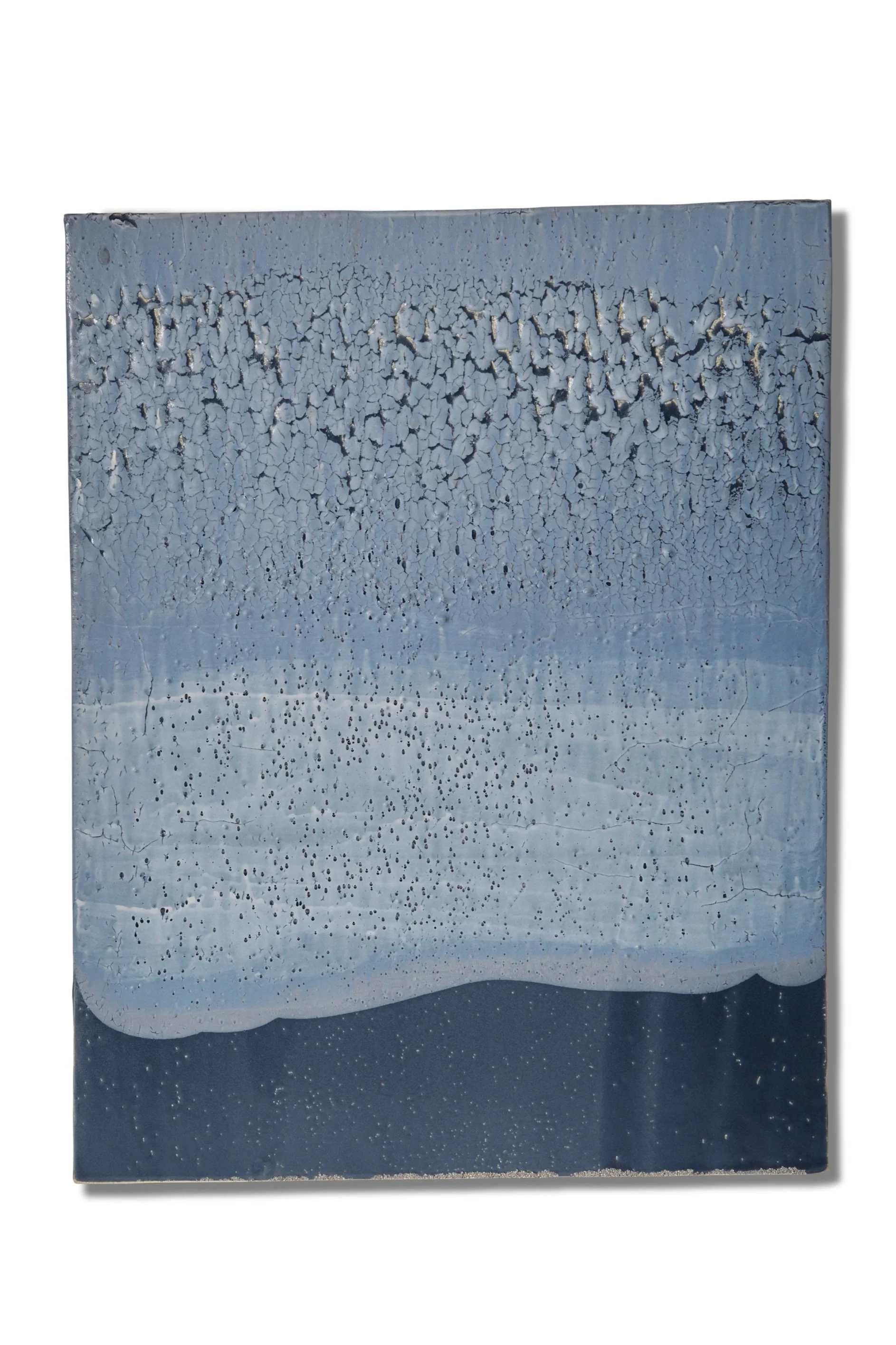
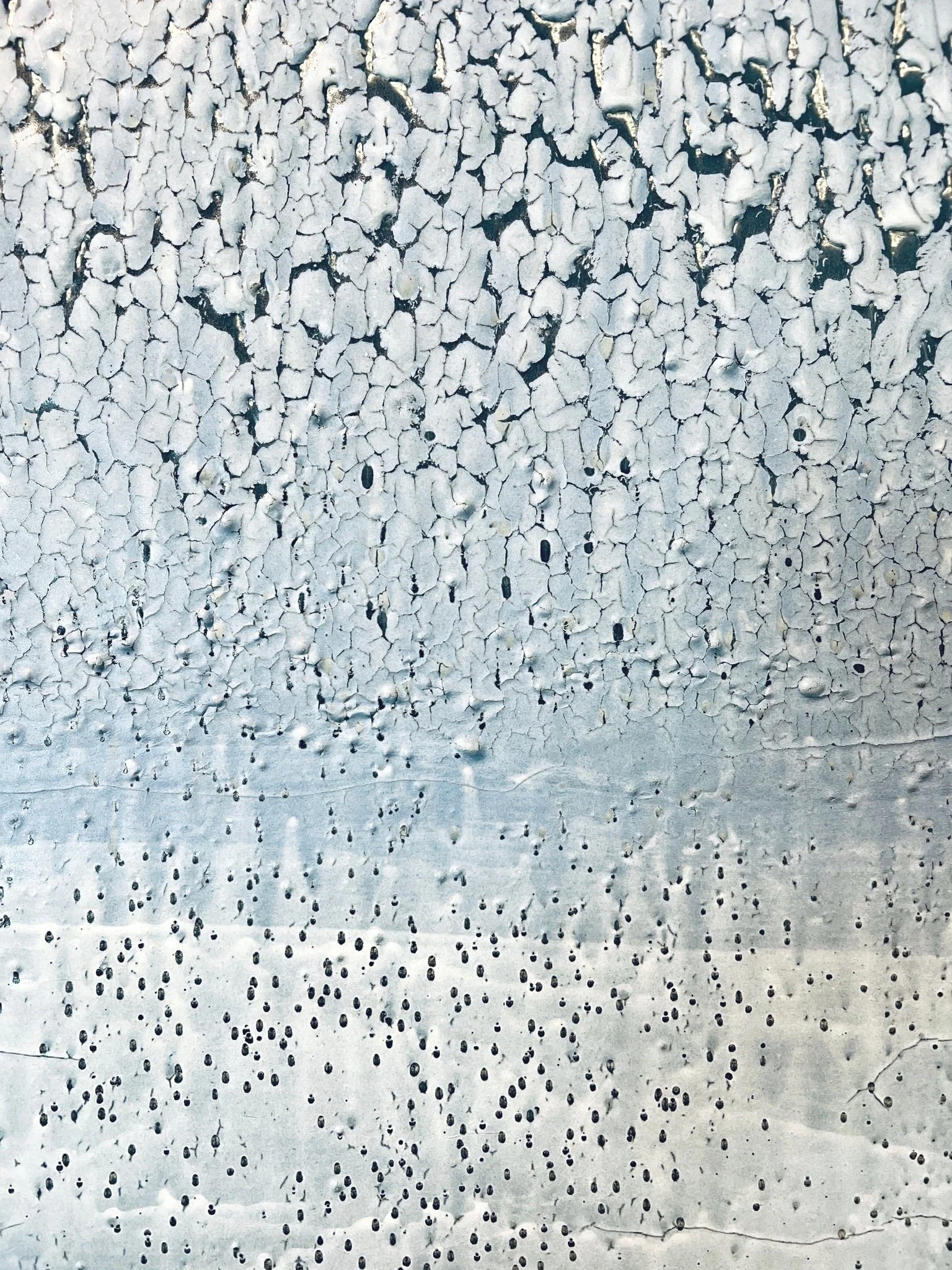
The panels vary is size and are made with 25-50 pounds of clay each, pounded into a wooden frame and fired two times in a gas kiln. The thick panels are fired vertically to avoid cracking, to a top temperature of cone 5/2200°F. Layers of recycled and house-made glazes, glazes, slip, and sand create textured, meteorological effects.
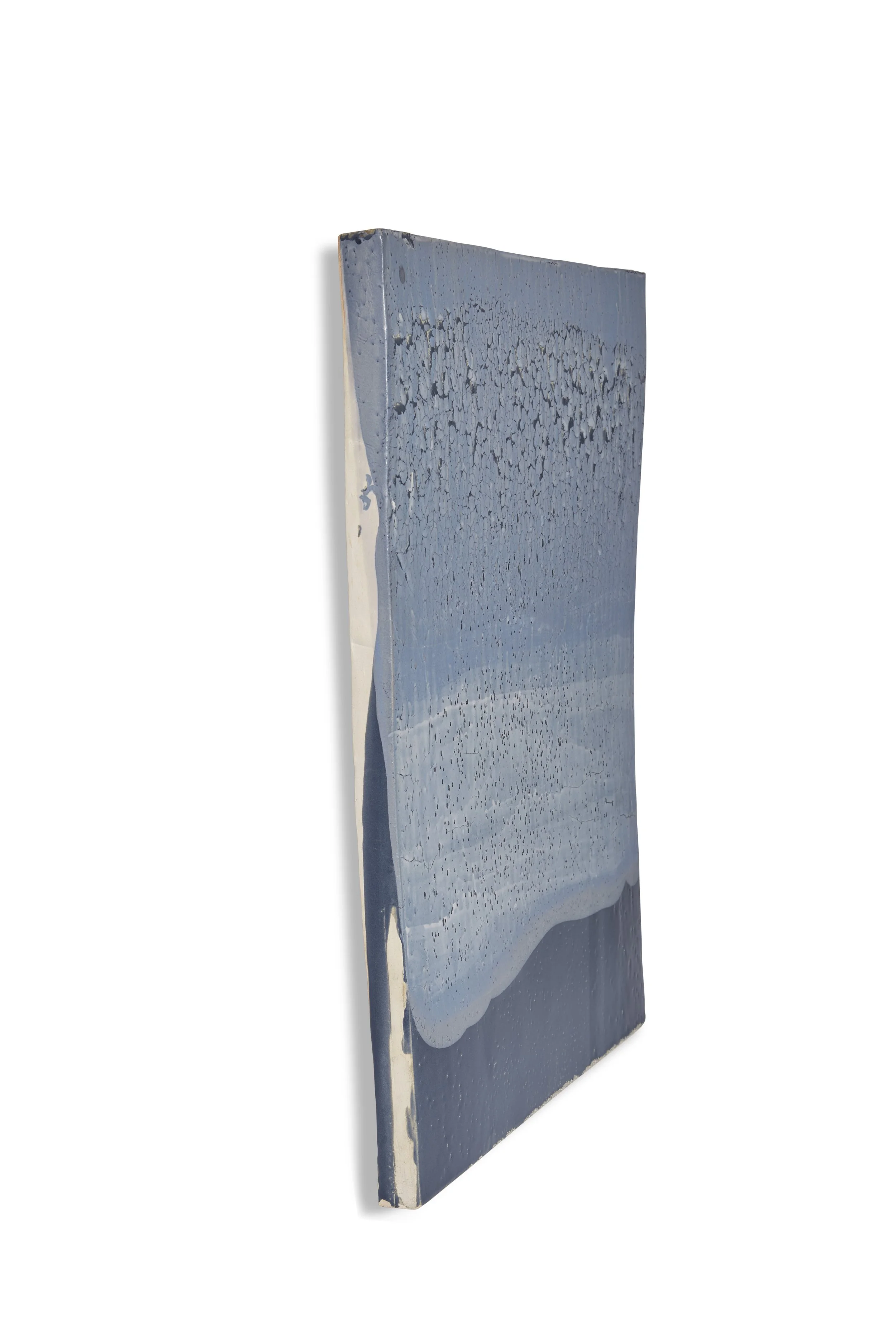
The panels we designed to look like stretched canvases, or architectural stone elements, where the image wraps around the sides. The cable system on the reverse allows the tablet to be rotated and hung on any of the 4 sides while integrating the hardware into the structure of the form.
-
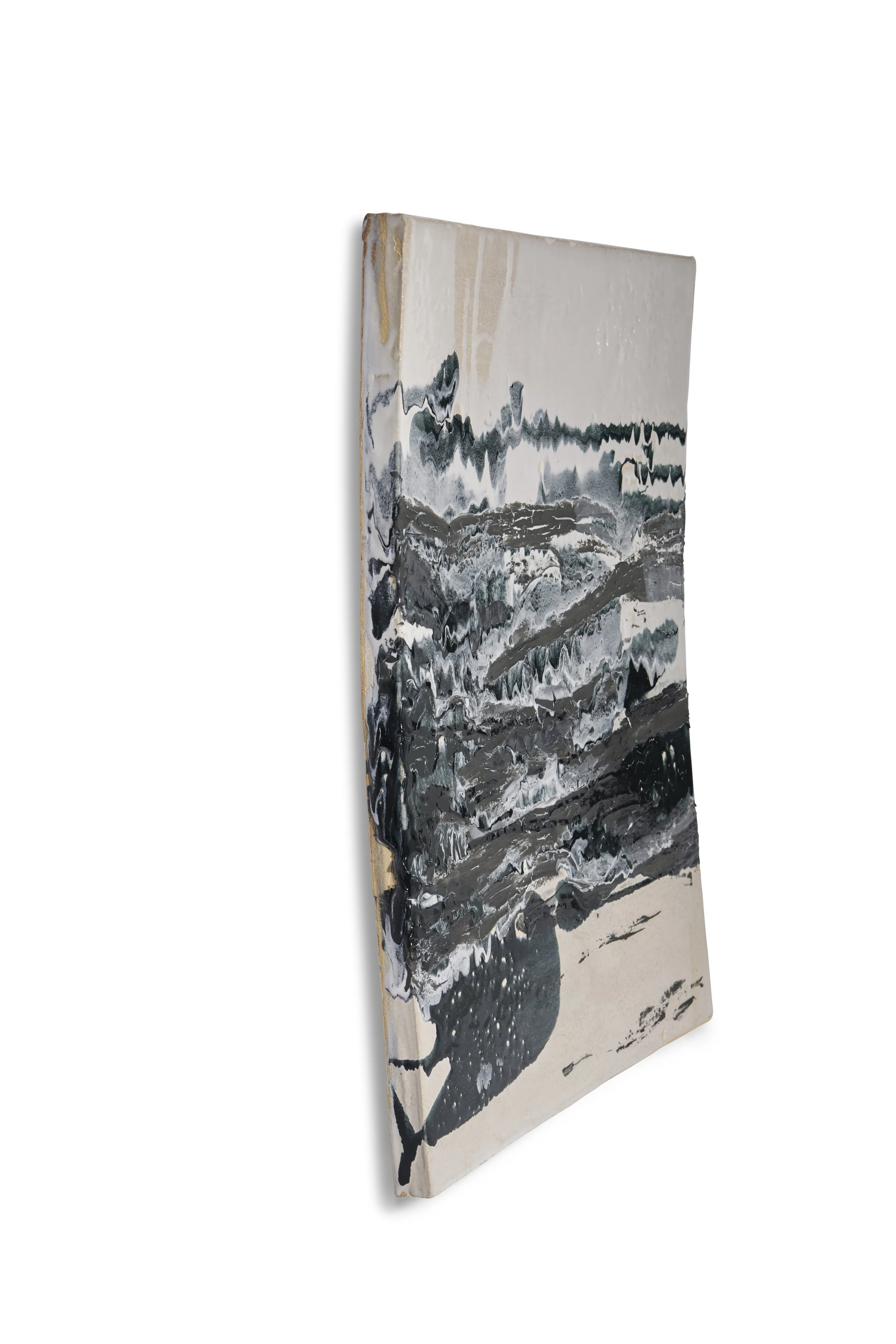
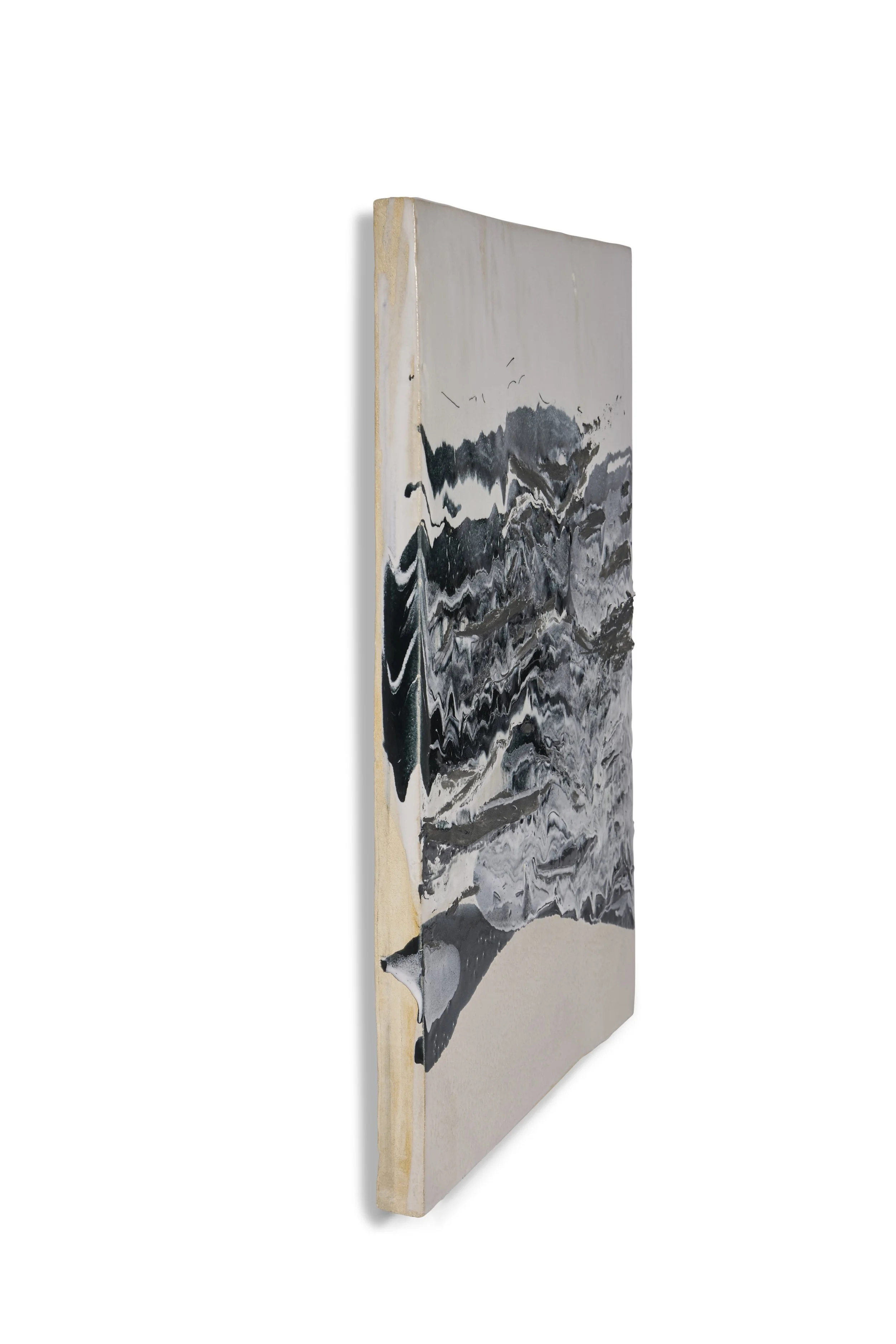
Stoneware, special effect crawling glaze layered with recycled glaze
20.25” w x 26.25” h x 1.25” d
(51.4 cm x 66.7 cm x 3.2 cm)
2023
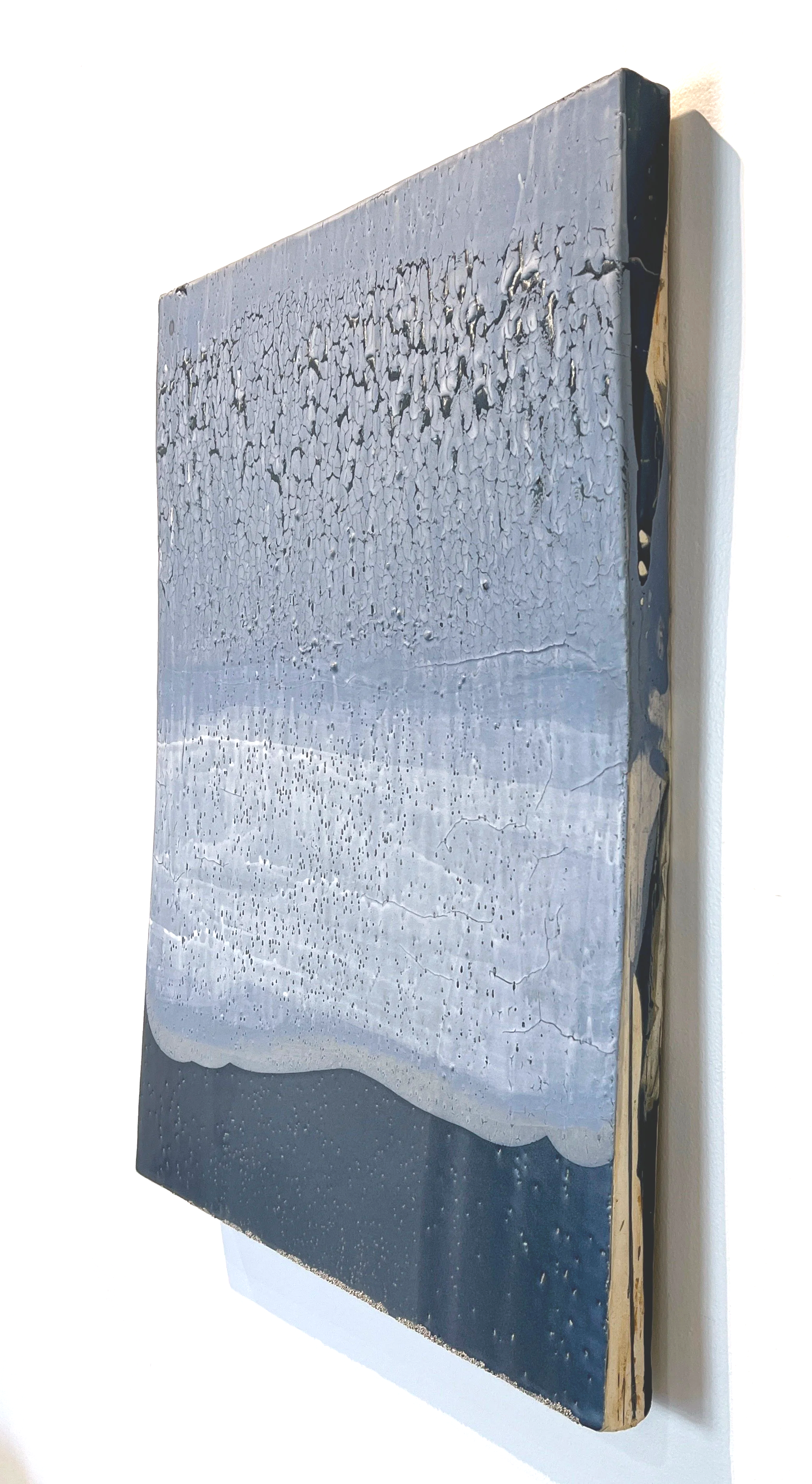
contemporary cuneiform Series
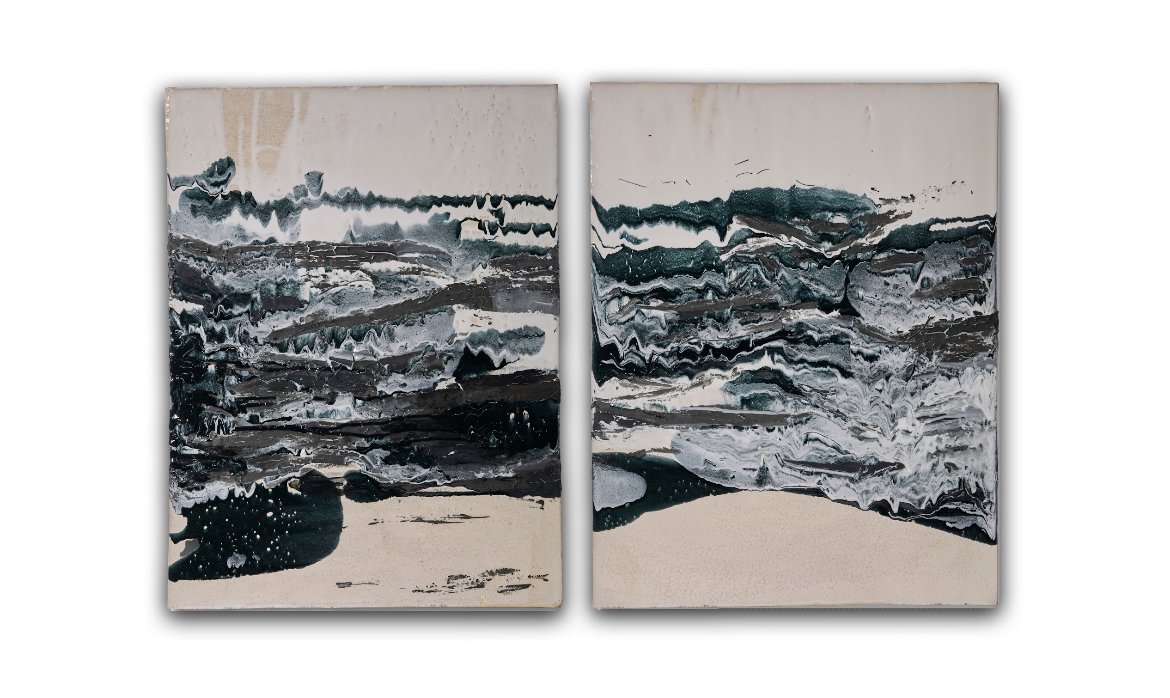
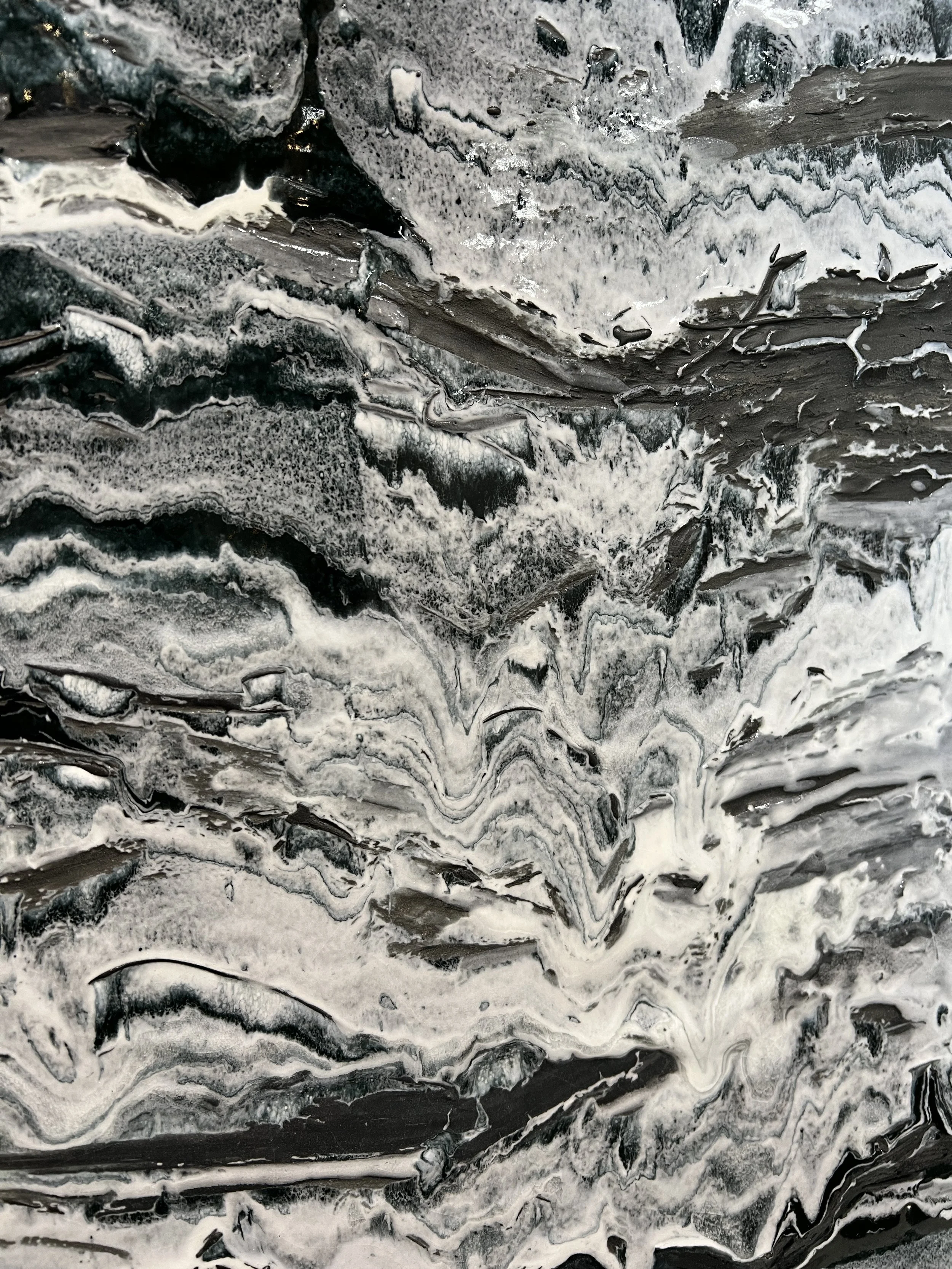
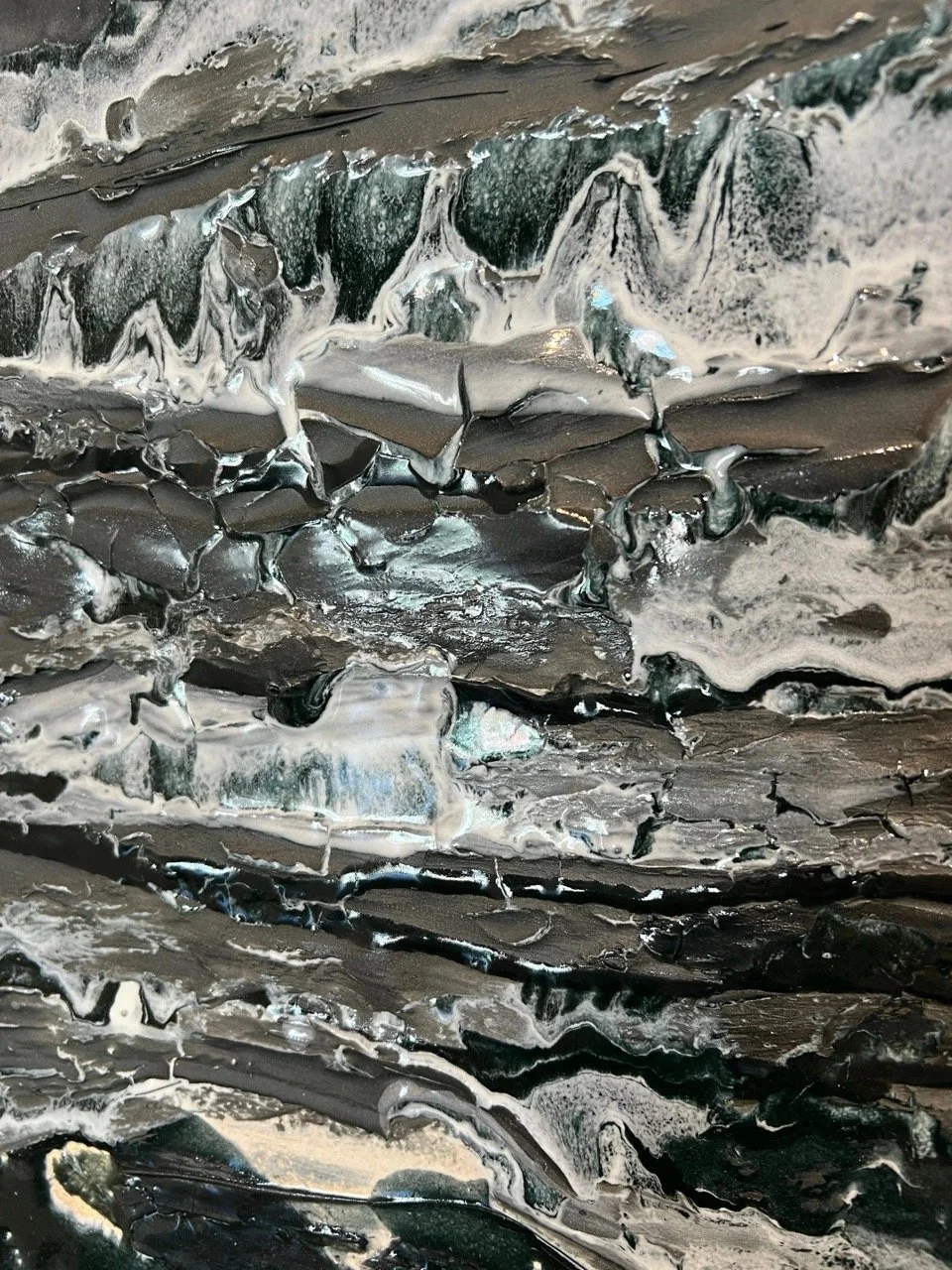
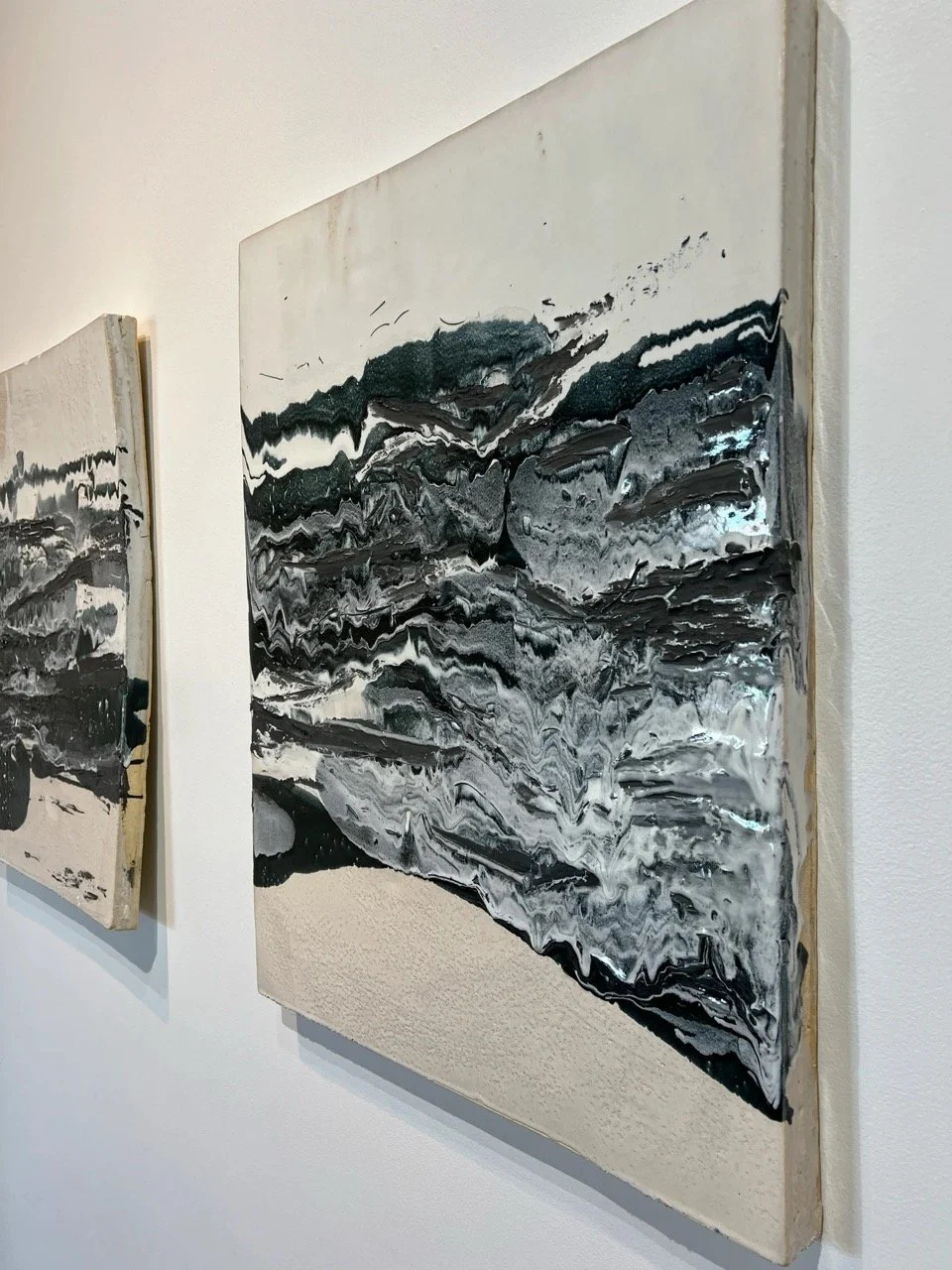
Sierra Melt Diptych
Inspired by ancient clay cuneiforms as a tool for communication, this series explores architectural clay slabs as a format for record keeping and documentation.
-
The Botanical Urn Series explores and celebrates specific ecosystems, drawing from the specificity of place through direct impressions of plant life and layered ceramic surfaces. This work honors the symbolism of plants both in contemporary contexts and ancient cultures- translating their forms into tactile compositions that reflect resilience, interconnectedness, and the living language of the landscape.
The Botanical Urn Series expands to include native, invasive, and cultivated plant species, using each as both material and message. Pressed and embedded directly onto the exterior of handmade ceramic urns these plants create a layered record of ecological presence to reveal the tensions between what belongs, what disrupts, and what is human-introduced. In this context, the urn becomes a powerful symbolic form: historically tied to containment, memory, and mortality, it holds not only the idea of human life, but also the fragility and transience of entire ecosystems.
-
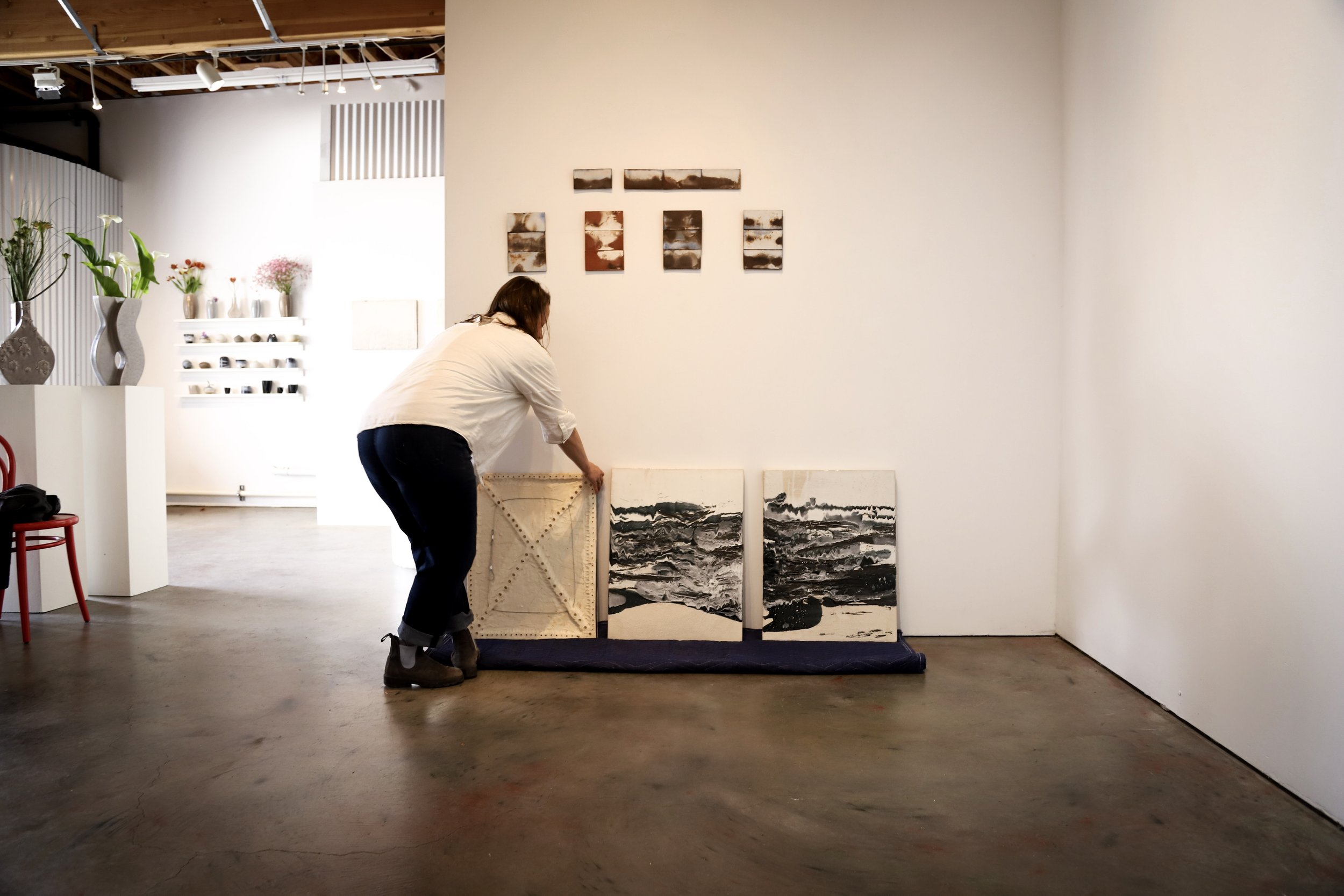
The panels vary is size and are made with 25-50 pounds of clay each, pounded into a wooden frame and fired two times in a gas kiln. The thick panels are fired vertically to avoid cracking, to a top temperature of cone 5/2200°F. Layers of recycled and house-made glazes, glazes, slip, and sand create textured, meteorological effects.
The panels we designed to look like stretched canvases, or architectural stone elements, where the image wraps around the sides. The cable system on the reverse allows the tablet to be rotated and hung on any of the 4 sides while integrating the hardware into the structure of the form.
-
Stoneware, special effect crawling glaze layered with recycled glaze
Each 20.25” w x 26.25” h x 1.25” d
(51.4 cm x 66.7 cm x 3.2 cm)
2023